Unsafe Forage For Rabbits With Details

Now that I have made it clear that there are so many options for safe forage with rabbits,  I would like to address the unsafe forage that you will definitely want to avoid when giving rabbits forage. Forage can be an amazing and healthy alternative to treat your rabbit, but there are many plants that could be toxic to your bunny to make sure to avoid.

The List of Unsafe Forage:

  • Foxgloves
  • Poppy
  • Ivy
  • Buttercups
  • Bluebells
  • Ragwort
  • Arum
  • Bryony
  • Hemlock

Why Are They Unsafe?

There are certain compounds and amounts of different substances that can be fatal to rabbits if ingested. So, different substances that may be toxic would be:

  • Toxins in the “eyes” of potatoes
  • Methylxanthines
  • Anything with Alcohol
  • Xylitol
  • Any dairy: Lactose
  • Sodium overfeedings
  • Cyanide
  • Psoralens
  • Persin
  • AND MORE!

Most of these substances will effect the rabbit in the following circumstances:

  • Lack of Hydration
  • Prevention to absorbing nutrients
  • Cancer (found in mice though)
  • Excessive urination
  • Diarrhea
  • Abnormal heart beat
  • Seizures
  • Death
  • Liver Failure
  • Tremors
  • Comas
  • AND MORE!

Other Unsafe Forage:

  • Aconite
  • Celandine
  • Corncockle
  • Cowslip
  • Fool’s Parsley
  • Henbane
  • Hedge Garlic
  • Spurge
  • Traveler’s Joy
  • Tree Lupin
  • Wild Garlic
  • Wood Sorrel

Sources:

https://rabbitwelfare.co.uk/rabbit-diet/poisonous-plants-rabbits/

http://www.rabbitmatters.com/poisonous-to-rabbits.html


Thank you for coming back once again. I will be going on so make sure to come back in two days for my next post. I will be going over yet another breed so if you would like to learn about another breed, stay tuned!

The Argente Brun Rabbit

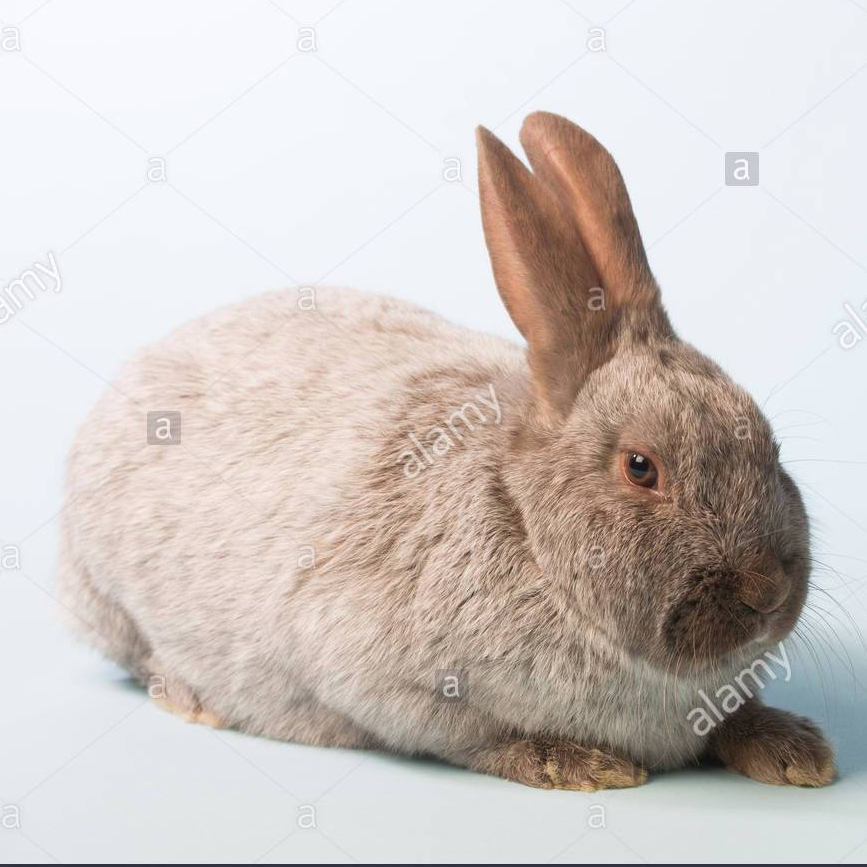
Now to start with the “Argente” rabbits, I would like to go over the Argente brun rabbit. I will be going over their history, characteristics, common personalities, common medical problems, sizing, and more!

The History of the Argente Brun Rabbit:

The Argente Brun rabbit is a French rabbit, and one of the oldest too. These rabbits were especially popular for their nice looking coats and were transported specifically to Canada from 1920 to 1930. From here, the rabbit breed became more and more popular.

Ed White was a man who was sold an Argente brun and was selling them as well to many who were finding breeding opportunities. The breeder then went to work to breed rabbits to make this breed come to life. Argente bruns were officially accepted as a true rabbit breed in February of 2016 (In America).

Characteristics of the Argente Brun:

  • Light coat: Often brown/grey
  • Straight standing ears
  • Broad head

Coloring:

  • Brun: Brown
  • Bleu: Blue
  • Creme
  • Champagne
  • Noir: Black

Common Personalities:

Despite being a larger rabbit, the Argente Brun is an extremely playful and docile rabbit. They are known to be extremely loving and attached. Argente Bruns are very sweet and gentle rabbits in case of any young children. Based off of their personality, young children near this breed wouldn’t be bad.

*Please note that all young children must be supervised if near a rabbit. Young children don’t understand how delicate rabbit bodies are and the one wrong move could seriously hurt the rabbit or child. In some circumstances, the rabbit could die as well. So please, always supervise a young child if they are in a pen with a rabbit or even near one, even though they should always be supervised.*

Size:

The Argente brun is a large sized rabbit meaning they are one of the bigger breeds. A healthy rabbit of this breed would be an average of 8 to 10 1/2 lbs. and are quite stocky rabbits.

Common Medical Problems:

The only medical problems would be what any usual rabbit could be susceptible to, including the following:

  • Overgrown teeth
  • Ear mites
  • Fly-strike
  • And more

Extra Care:

There isn’t any extra care to this breed.

Resources:

Thumbnail Picture

https://www.petguide.com/breeds/rabbit/argente-brun-rabbit/


I would like to note that when I was talking about the list of rabbits I would be going over, all of the “Argente rabbits” were called “Argentine”.  If you were confused, well so was I. So in easier terms, they are Argente bruns, not Argentine bruns.


Anyway, thank you so much for coming back again. I will be continuing on like usual with my schedule. Please share this post with you family and friends and give it a thumbs up if you enjoy what I put in it. If you have any more suggestions of what to put in these breed posts, comment down below to let me know!

Safe Herbs to Forage and Their Details

To connect with all of the wild plants and just usual plants that I have been going over for forage, I would like to put herbs in the spotlight as well. Today, I will be going over safety precautions, characteristics, and extra details about these herbs.

The List of Safe Herbs:

  • Basil
  • Cilantro
  • Dill
  • Peppermint
  • Parsley
  • Oregano
  • Rosemary
  • Sage
  • Thyme
  • Chamomile

*AND MANY MORE!*

Any Precautions:

  • Basil: No Precautions needed
  • Cilantro: No Precautions needed
  • Dill: No Precautions needed
  • Peppermint: Leaves, not candy!
  • Parsley: Parsley must be fed sparingly due to the extreme amounts of calcium.
  • Oregano: No Precautions needed
  • Rosemary: No Precautions needed
  • Sage: No Precautions needed
  • Thyme: No Precautions needed
  • Chamomile: No Precautions needed

What Do They Look Like?:

  • Basil: Basil is a small and leafy herb with dark green leaves that are oval shaped and mildly pointed at one end.
  • Cilantro: Cilantro is a tall and light herb that has small, but leaf looking sprouts on the top end of the long and tall stems. The entire plant is dark green.
  • Dill: Dill is very similar to cilantro, but dill is just more full of long, grassy shoots out of the top of its stem.
  • Peppermint: 
  • Parsley: Parsley is very similar to cilantro as well, but parsley has more little shoots coming out of each stem, and is also a light green color.
  • Oregano: Oregano looks almost identical to basil, but has taller stems with more leaves shooting out from the center of the stubby stem.
  • Rosemary: Rosemary is a dark green herb with a stalk and small, slender, but pointed leaves sticking out.
  • Sage: Sage is like rosemary, but the leaves sticking out of the stem actually look like small, almost fuzzy leaves. The Leaves are oval shaped as well.
  • Thyme: Thyme is a very tall and slender herb with extremely small leaves and with buds at the top of the plant.
  • Chamomile: Chamomile is a small flower that looks almost identical to a daisy.

Serving Amounts:

  • Basil: In the rabbit’s salad like usual
  • CilantroIn the rabbit’s salad like usual
  • DillIn the rabbit’s salad like usual
  • PeppermintIn the rabbit’s salad like usual
  • Parsley: Sparingly or every other salad, still in small amounts
  • OreganoIn the rabbit’s salad like usual
  • Rosemary In the rabbit’s salad like usual
  • SageIn the rabbit’s salad like usual
  • ThymeIn the rabbit’s salad like usual
  • ChamomileIn the rabbit’s salad like usual

Sources:

https://www.saveafluff.co.uk/rabbit-info/safe-foods-for-rabbits

https://rabbit.org/what-to-feed-your-rabbit/


Thank you for coming back once again. Now that I’m out of school for summer, I will make sure to stay consistent with my every other day posts. Please leave a thumbs up if you like my current system. Anyway, I will talk to you soon in my next post, bye!

The American Sable Rabbit

To finish off the “American” breeds, I would like to go over the American sable rabbit. If you haven’t been following along, I will be going over characteristics, history, common medical problems, personalities, and more!

History of the American Sable Rabbit:

The American Sables came along in the 20th century in California, where chinchilla colored rabbits were being bred to a bunch of different rabbit breeds. The breed produced became popular and was founded officially in 1929 and accepted as an actual breed in 1931.

Characteristics of the American Sable

  • Rounded head: Very defined
  • Upright ears: No sign of lopping
  • Soft, fine, but dense coat of fur
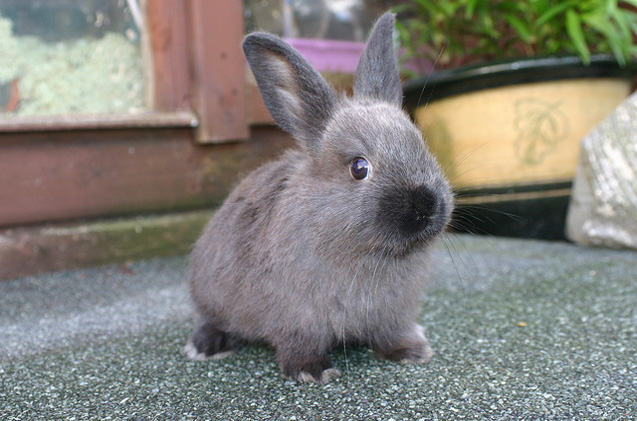
  • An all grey body with a tint of tan that fades out

Common Personalities of the American Sable:

  • Sweet
  • Active
  • Playful

American sables are very tame rabbits by nature and if given proper care and attention, this rabbit could easily become an amazing emotional support animal. American sables don’t have a temperament really and love spending time with others.

With American sables being so active and playful, it is very important to give many toys, give time for interaction, and make sure that the rabbit isn’t being bored out of its mind. Active rabbits need a lot of entertainment to stay healthy, just like every other rabbit out there. Breeds can vary the amount of willingness for exercise, but it is important that whether the rabbit enjoys the run and play time or not, that the exercise time is given.

General Size:

The general weight of an American sable rabbit is around 8 to 10 pounds. By nature, the males actually tend to be smaller and leaner than the females. This is quite surprising when you think about it since male species tend to weigh more, have more muscle, and look larger in general.

American sables are considered a medium rabbit. If you didn’t know, there are dwarf, small, medium, large, and giant sized rabbits, medium being the size of Oliver and Luna, being around eight inches long on average (with the rabbit in a loaf/standard position). Do keep in mind that stockiness can add to the factor of the sizing for a rabbit.

Common Medical Problems/Extra Care:

With the rabbit’s coats being so thick, weekly and daily grooming is necessary to prevent shedding/molting problems. If the rabbit ingests too much fur, the rabbit could die of starvation of the body thinking that it actually has nutritious food in its stomach, or of GI stasis and the resentment to eat.

There aren’t really any other specific medical problems to say that are directed towards American sables. All rabbits should be monitored for ear mites and overgrown teeth, and should be given appropriate toys and products in return, as mentioned in the article I read about the American sable breed, linked second.

Resources:

Link to Thumbnail

https://www.petguide.com/breeds/rabbit/american-sable-rabbit/


Thank you for coming back once again for this post. I will be continuing the outdoors theme and then the rabbit breed sort of pattern, so please continue to come back at least every other day to make it for the new post. As always, continue to spread proper rabbit care and I will talk to you in two days, bye!


The Characteristics of Safe Forage Options

As promised, I will be going over characteristics of the different forage options that I went over four days ago on my other post. I would like to inform you about what these plants look like for this forage subject. If you haven’t seen my post of the list of forage and their details, make sure to check it out to see where I am coming from and any precautions that need to be looked through.

The Different Forage and Their Characteristics (leafy/flowery):

  • Clover: Clovers are very small and delicate plants that will often grow to be known as weeds. Clover is green and will often have three small leaves. Clover is very small (an inch in diameter at most and can get to about two inches tall at most). Clover stems are very thin and delicate, so tugging can easily snap the stem.
  • Grass: I’d hope that you know what grass is, if not, here’s the description. Grass is a green plant found almost everywhere on earth. Grass is green, but like many other plants, can easily die and turn brown. Grass is thin, but can grow at very rapid paces. With grass, it must be bug-free, pesticide-free, and gas-free. Grass is very delicate as well as is known to house weeds.
  • Dandelions: For dandelion flowers, they are small yellow flowers, usually 3/4 to one inch in diameter and are know as weeds. Their stem is thin, and sticky on the inside. This plant itself is very wide and the plant’s leaves are ridged, but aren’t sharp. The leaves are also green, and can become very large and long. The entire plant is edible to both humans and rabbits.
  • Coltsfoot: Coltsfoot is very similar to dandelions in the plant and flower aspect. The flower is pretty much the same as a dandelion, not to forget that the stems are extremely similar in looks as well. The actual leaves are very different though. Coltsfoot has horseshoe-like leaves that are quite large. Coltsfoot is a more full and tall plant compared to dandelions. The flowers are yellow and the rest of the plant is green like dandelions.
  • Vetches: Vetches are green plants with very vibrant and purple flowers. The flowers grow more upward and can grow quite long. The vetch flowers look quite bell-like, but are very small flowers. The leaves grow on either side of the branches and are very long, and circular (oval-like).
  • Great Plantain: Great plantain is a very short plant that has very wide and circular leaves that tend to be a reasonably dark green. As for the flower stalks, they tend to be very bland and brownish. The flowers are more like stalks that are short and stick directly straight up. The stalks do have a green tint to them as well.
  • Nettle: Nettle is an all green plant without any flowers. Nettles have a rounded diamond type of leaf that have dented in grooves. Nettle can grow little bulbs that look hairy and yellow, but the leaves are the main part of the plant.
  • Lady’s Mantle: Lady’s mantle is a more upright flower with a very strong and green plant as a base. The flowers look like very small and yellow bulbs that grow on typically tall stems. The leaves are very rounded and medium-dark green.
  • Day lilies: Day lilies can coming in a variety of colors, but the leaves are very grassy, the stems are very tall and green, and the flowers are thin but wide. The flowers are often made up of six petals that are long and thin that slightly curl at the ends.
  • Daisies: If you don’t happen to know, daisies are small flowers that have short and stubby petals that are white, with a small yellow center for the middle of the flower. Daisies are typically shorter flowers as well.
  • Roses: Roses are very delicate flowers that are often red, which is very well-known. Roses have curled petals to make a pattern in a way and have thorns on their stems.
  • Sunflowers: Sunflowers are very tall flowers with little amounts of leaves, but with gigantic flowers. There are many yellow petals and a very large and brown center of the flower. Sunflowers average a height of 10 to 20 feet tall, some much taller.


The Different Forage and Their Characteristics (Trees/bushes):

  • Alder: Alder trees are more on the stocky side and have brown/grey bark. Alder leaves are green and oval-like with little divots and ridges.
  • Birch: Birch is a smaller tree that is known to have light and thin bark. Birch bark is typically white and is very papery. The leaves are green and oval-like.
  • Spruce: Spruce trees are both stocky and tall. They grow in a cone shape and have needles instead of leaves. Spruces are very dark trees, consisting of dark bark and darkly colored, green needles.
  • Rowan: Rowan trees are more wide and short. They have bright green leaves that are very palm-like. Rowan trees have small red berries and the bark of the tree is very grey/light brown.
  • Hawthorn: Hawthorn trees are very short and tend to have very bright and white flowers. The bark is very smooth and grey/brown. The flowers are then pollinated to become small, red berries.
  • Aspen: Aspen trees are very tall and have a nice yellow leaf color. The tree’s bark is very papery and soft. The color of the bark is white and looks very similar to birch bark. The look of the overall tree is very similar to a birch.
  • Ash: Ash trees are very wide, green trees. The bark is very rough and grey colored. The leaves to an ash tree are bright green and oval-shaped. The ends of the leaves are pointed as well.
  • Willow: Willow trees are usually smaller and stubbier trees. The willow is known to hang and have nice, flexible branches along with oval leaves that are almost identical to ash tree leaves.
  • Goat willow: Goat willow is a more rounded tree with thick bark and thick branches. The leaves are more rounded at the base and much more pointed towards the top.
  • Maple: Maples tend to be more thin but round trees. Maples are well known for gorgeous red leaves in fall that are quite pointy and are very green in summer months. The maple tree has quite bumpy bark as well.
  • Poplar: Poplar trees are very tall and slender trees with extremely round and green leaves. Their bark is commonly white and are sometimes referred to as aspen trees.
  • Hazel: Hazel trees are so short that they almost look like bushes at times. They have nice, green leaves that are slightly curved and pointed. Hazel trees have brown/grey bark that is usually smooth, but sometime lumpy depending on the type.
  • Juniper: Juniper trees are very cone like trees with needles, like pines. The bark of a juniper tree will be quite dark brown compared to many other tree barks.
  • Gooseberry: Gooseberry trees are very slender and almost tropical looking. The gooseberry tree will have fern looking leaves and a small trunk as support.
  • Redcurrant: Redcurrant trees are more bush like from how stocky but short they are. The bush is very green and produces small, red berries.
  • Blackcurrant: Blackcurrants are pretty much the same thing as redcurrants, just the berries are black instead of red.
  • Pear: Pear trees look quite light from the white blossoms in need of pollen to produce the tree’s fruit, the pear. Pear trees, like apple trees, are easy to identify from the fruit that is bared.
  • Apple tree: Apple trees are more on the stocky side for trees. Their bark is grey/brown and will be mildly bumpy. Apple trees are very green throughout the year and obviously produce fruit, the apple.


Thank you for going through this post. I know that this post is extremely long, but for those who read it, thank you so much because the work put into this post is hard to compare. As always, come back in two days for a new post and I will talk to you soon, bye!

The American Fuzzy Lop

Today I will be going over the breed American fuzzy lop. I will be including, personalities, characteristics, common medical problems, and more.

Their History:

The American fuzzy lops originated from Holland lops. American fuzzy lops were originally bred so that lops could have broken colors, or fur without one solid color. The whole point was to get a woolly fur on a rabbit that still has a broken color.

Since the woolly gene is recessive, a pair of Holland rabbits will produce about 1 woolly baby if there would be 4 babies overall. In 1985, the American fuzzy rabbit was officially presented as a separate breed.

Personalities:

  • Playful
  • Curious
  • Active
  • Aware
  • Affectionate

Characteristics:

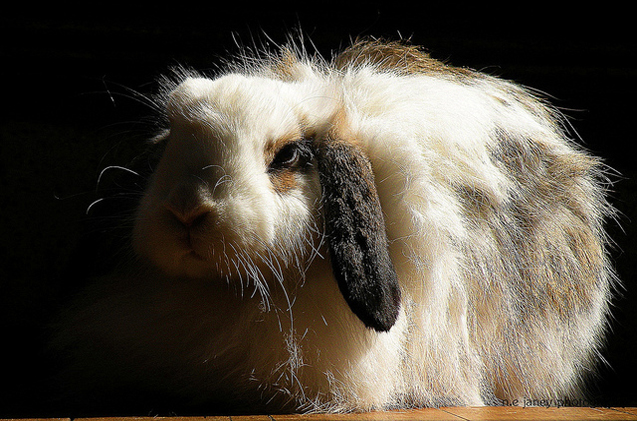
American fuzzy rabbits have a very thick and woolly coat of fur. The American fuzzy rabbit has a very stocky body and very broad shoulders. They come in many “broken” colors since they were bred to have a woolly fur and different colors.

Size/Weight:

Weight: The average weight of an American fuzzy lop is from 3 1/2 lbs. to 4 lbs.

Size: Due to a very short and stocky stature, the American fuzzy rabbit is considered a dwarf.

Coloring:

  • Agouti: Combination of white and one of the following colors:
    • Chestnut
    • Chinchilla
    • Lynx
    • Opal
    • Squirrel
  • Pointed White Group: Pure White
  • Nose markings, eye circles, tinted ears different color for the “broken look”.

Common Medical Problems:

Since these rabbits care so fluffy, when they lick them self, the fur can cause clogging in the intestines, which could possibly cause GI stasis. It’s very similar to cats, but rabbits can’t regurgitate, they have to pass it through their digestive track, which could end up blocked by the extra buildup of fur if their is some.

This rabbit will die if they aren’t properly groomed because if fur is clogged in their stomach, their body will tell them that they are full, but in reality, they are starving from the lack of nutrition because their body is trying to live off of their fur.

Extra Care:

Cutting out mats near the rabbit’s tail is very important to the rabbit’s well being to avoid extra tangling that could mess up the usual systems of the following:

  • Digestive system could be clogged with fur and trick the body into starvation
    • Could also clog up bottom while trying to pass any fur

*I would like to note that the 3rd picture on this website shows an American fuzzy lop on a wire bottom cage that is obviously way to small for this rabbit. With the description that was given, they made it sound like this rabbits is extremely active and in my opinion, should be free roamed. Think of how bad of a situation this rabbit would be in if the wool of the rabbits was caught on the wire.

Thank you for coming back once again for another post. My next post in two days will be describing different forage and where to find it, if you are interested, make sure to come back then, but for now, continue to spread proper rabbit care and I will talk to you soon, bye.

My Sources:

Thumbnail Picture

https://www.petguide.com/breeds/rabbit/american-fuzzy-lop/


Forge That Is Safe For Rabbits

Today I will be going over safe forage for rabbits, along with what precautions to take for each of these plants. My next outdoors post in four days will be all about the characteristics of these plants and how to find them/what they look like.

Plants/Flowers

  • Clover: Clover is quite fatty and is abundant with calcium, so overfeeding could be dangerous.
  • Grass: The grass can’t have any weed killer or be near or where grass has been mowed.
  • Dandelion Flowers: Dandelions can’t be by any gas released areas.
  • Dandelion Leaves/Stems: Same as the flowers.
  • Coltsfoot: I have heard of people saying that coltsfoot causes illnesses if put in human tea, but I’m not sure if that effect would even be possible if put in a product. However, coltsfoot is completely safe for rabbits. Coltsfoot should be fed with moderation, meaning not everyday and with other veggies.
  • Vetches: Common vetch is safe for sure, but if you  would like to do more research, that is completely fine.
  • Great Plantain: Plantain is a great hay topper to encourage hay eating. Plantain is also very low-fat, so feeding it regularly is fairly safe.
  • Nettle: To feed nettle it must be dried! If wet/fresh nettle is given, your rabbits will have the result of diarrhea.
  • Lady’s Mantle: Lady’s mantle is safe no matter what, dry or fresh.
  • Day Lily: Day lily can be great as long as it is pesticide free
  • Daisies: Gerber daisies are often annihilated by wild rabbits and are completely safe.
  • Roses: Pesticide free roses dry or alive are great for rabbits.
  • Sunflowers: All part of the flower and seeds are safe for rabbits, but I never recommend feeding seeds to rabbits due to rabbit diets. Rabbits are herbivores and giving starchy and unhealthy foods, like nuts and seeds, can be horrible.

Any many more!

*I would like to note that even though I may not list it for every single plant, every plant must be out of access of gas, and should also be pesticide free for a rabbit to be able to eat it without going through sickness. Check to make sure that their isn’t a bug invasion either!

Tree Branches:

  • Alder
  • Birch
  • Spruce
  • Rowan
  • Hawthorn
  • Aspen
  • Ash
  • Willow/Goat willow
  • Maple
  • Poplar
  • Hazel
  • Juniper
  • Gooseberry
  • Redcurrant/Blackcurrant
  • Pear/Apple tree

*All trees and have to be pesticide free for the sake of your rabbit’s life. Pesticides are seriously dangerous, which will be gone over at the end of this outdoors subject. This goes along with gases that could be given off from lawn mowers, cars, and 4-wheelers. Any plant that has access to both gas and/or pesticides should never be fed to yourself, or your rabbits. These trees shouldn’t be rotting out, be invaded by bugs, or have any other risks that could potentially danger your rabbit.*

Thank you for the continuous support that has been given. Please come back in two days for a new post about the American Fuzzy Lop and all of its personalities, characteristics, maintenance, and more!

My Resource:

https://www.kanin.org/rabbits_safe_plants

https://www.binkybunny.com/

American Breed Rabbits

Today will be all about American rabbits. American rabbits are not quite as popular as they used to be, which I will explain later. Today, I will be going over their history, their characteristics, personalities, size, weight, popular health problems, and more!

Why Are They Called American Rabbits?

The American rabbits were originally called German blue Viennas, but that was changed due to World War I. The rabbits were used for their meat and fur during the war. Their name was changed because of the popularity of the meat and fur in America at that time.

What is the History Behind American Rabbits?

As I was just saying, in the 1940’s and 1950’s, the rabbits were used solemnly for their meat and fur. This was what the American soldiers of the war had used quite often for food, and for warmth and protection from the rabbit’s pelts.

The rabbits now are very scarce and are actually very rare. This is quite surprising considering that some soldiers’ lives depended on these animals, now, it’s hard to even find them.

Why Did Their Usage Change?

The use of the rabbits have obviously changed dramatically. These rabbits aren’t actually that commonly found in America anymore. When they are around, they are known as house pets now, like rabbits should be. This means that the rabbit meat industry won’t be able to take these rabbits for meat, changing what they are to the people and environment around the animal.

This also ties in with how these rabbits have also turned into show rabbits, and are no longer being used for their gorgeous pelts, instead, their pelts can be shown off in a fair or festival.

What Characteristics Do They have?

American rabbits typically have:

  • Semi-arch body
  •  “Blue” and white fur
    • White fur: red eyes
    • Blue fur: typical colored eye options
  • Soft pelts
  • Large breed

What Are Their Common Personalities?

Most, if not all American rabbits are very docile and friendly. From articles that I have read, even wild American rabbits would still be very docile. This has definitely traced over to the domestic rabbits, leaving them as a very good rabbit for families who know and use proper care.

How Heavy and Large Can They Get?

About 8.82 lbs. to 12.13 lbs, or 4 to 5.5 kg. These rabbits are considered as a large rabbit breed, meaning that this breed is naturally larger in size. Their typical size can’t be directly spared due to the fact that rabbits are classified as dwarfs, smalls, mediums, larges, or giants.

What Are Common Health Problems With American Rabbits?

American rabbits do not have any specific health problems that will run in their breed’s genes. If they are properly taken care of, there isn’t really a risk of the rabbit getting sick out of nowhere.

Thank you for coming back again. My next post, in two days, will be the start of the outdoor activities with rabbits. If you would like to hear more about that, make sure to stick around. I will be going over the breeds I have listed in alphabetical order, so make sure to continue to stick around for that as well.

My Resources I Used:

Link to Thumbnail Image

https://www.slowfoodusa.org/ark-item/the-american-rabbit

https://www.roysfarm.com/american-rabbit/
 

The Breeds I Will be Going Over/Details

Since I would really like to allow you to get to know all of the breeds well, even before seeing an example, I will be going over the list of rabbit breeds I will be describing and going through during the next couple of months. I will be spreading it all out, so one post I’ll do on an outdoors theme, the other will be on the specific rabbit breed for that post.

The List of Rabbit Breeds I’m Going to Go Through:

  • Lionhead
  • Flemish Giant
  • Continental Giant
  • Dutch
  • English Lop
  • French Lop
  • Holland Lop
  • Mini Rex
  • Rex
  • Netherland Dwarf
  • Polish
  • American
  • American Fuzzy Lop
  • American Sable
  • Argente Brun
  • Argente Crème
  • Argente de Champagne
  • Belgian Hare
  • Beveren
  • Blanc de Hotot
  • Britannia Petite
  • Californian
  • Checkered Giant
  • Chinchilla (Standard)
  • Chinchilla (American)
  • Chinchilla (Giant)
  • Cinnamon
  • Dwarf Hotot
  • Dwarf Lop (Mini Lop in USA)
  • English Angora
  • English Spot
  • Florida White
  • French Angora
  • Giant Angora
  • Giant Papillon
  • Harlequin
  • Havana
  • Himalayan
  • Jersey Wooly
  • Lilac
  • New Zealand
  • Palomino
  • Rhinelander
  • Satin
  • Satin Angora
  • Silver
  • Silver Fox
  • Silver Marten
  • Tan
  • Thrianta
  • Velveteen Lop


What I Will Be Going Over:

  • Lifespan
  • Size/Weight
  • Characteristics
  • Adaptations
  • Personalities (in general)
  • An Overview
  • Common problems
  • Extra Facts and Maintenance


Thank you for coming back for this post. I just wanted to reach out to you to prepare you for what I’m going to be going over. I’m so excited to start going over the breeds and all of the outdoor activities that you can do with your rabbit, or your rabbit to come. I will still be posting every other day, It’s just that every other post will be on one subject, the next post will be on the other. As always, continue to spread proper rabbit care and I will talk to you soon, bye!

What Gendered Rabbit Is Better? Is There One?

Today, to connect with last post, I will be going over if there really is a better gendered rabbit. Last post, I favored both genders, so I would like to go over why I did that post and the importance to the gender.

Why Did I Do Last Post?

Last post was hard for me, knowing that many people would have different opinion and how not every rabbit will be similar if they are the same gender. I was just making the facts based off of my experience, and along with what I’ve been told by other rabbit owners and caretakers.

Why Does Gender Matter?

Many rabbit owners feel that one gender is way different when attitude comes along. I don’t want to side with one gender, because that wouldn’t be fair or rightful. Gender can also play a large toll into how you treat your bunny. Rabbits could be defensive based on gender, which that act will need to be broken. Rabbits are more complex than many think, and I feel that choosing the correct gender can really help.

Is One Gender Better Than the Other?

I don’t feel that one gender is better for everyone, but one gender could be better based on your time, patience, and cooperation. Your rabbit’s personality can play a toll on yours, so I feel that everyone should get a rabbit like them. Some rabbits are more willing but fussy, others are chill, but sometimes too lazy, this can be part of the gender of your rabbit, believe it or not. So in other words, one gender isn’t actually better as a whole, but there is the potential that one gendered rabbit could be better than the other for your personality and time.

Which Is Best For Your Personality?

It all depends on you. Use my last post to compare your personality to the personalities that I listed and explained for the different genders. This way, you could get a rabbit like you. I will be making another post soon explaining human personalities and comparing them to rabbits and matching human and rabbit personalities to see what rabbit is best for one person or another.

*DISCLAIMER* I know that not all rabbits will act the same based off of gender. Some rabbits that are known to be docile and sweet may be the worst rabbit in the world, that’s when the time, personality, and the past problems come in. It really helps to take in those rabbits and help them out so that others don’t get a bad vibe, because there really shouldn’t be anyone afraid of rabbits, they are peaceful animals that can be great for pets.

Gender is all based on you. I feel that my sister probably should have gotten a male, I could have gotten the female. This is because males are more laid back, and females are more fussy. I’m much more patient, so watching my sister try to tolerate Luna sometimes is like torture to my eyes. I absolutely love having Oliver, and my sister enjoys Luna, so it still did work out in the end, but for some people, this would not work out and this is why I did this all on gender, because it can be the break point.


Thank you again for coming back for another post. I will be continuing this little series on picking out the rabbit for you, along with more details on certain breeds, and just more on everything in general. I will be posting every other day so please make sure to come back then, as for now, keep spreading proper rabbit care and I will talk to you next time, bye.