What You Need to Bring Your Rabbit Outside

Bringing a domestic rabbit outside can be very risky, but to prevent as many risks as possible, having the correct materials can save your rabbit. Because there can be a lot of pressure to get it all right,  I’ll be explaining the different items in categories that I personally think you need to bring your furry friend outside.

Play Pen Area:

Ex-pen(s): The entire use of an ex-pen for any animal is to keep them in a contained area for them to play and explore. The name “ex-pen” is short for exercise pen, which makes sense. I would recommend an ex-pen or two, maybe even three to bring your rabbit outside. Each ex-pen should be at least three feet tall, most rabbits can jump that high, so make sure you know your rabbit well enough to know the correct height before even planning to bring them outside.

Plywood: A sheet of plywood that is large enough to cover the entire ground of and around the ex-pen is extremely important. An underground predator could easily burrow their way over to the pen and potentially hurt the rabbit. The only exception of this all would be if the grass wasn’t sprayed with pesticides, hasn’t been mowed, and can be guaranteed that there hasn’t been any wild predators in that area. You would still need to find a way for your rabbit to escape to the situation.

Extra Bed sheet(s): An extra bed sheet or two is important to cover the ex-pen to prevent the rabbit from overheating. A rabbit is so much more susceptible to over heating than even getting close to becoming cold to any dangerous circumstance.

Food/Water:

Hay: In any situation, a rabbit should always have unlimited hay, even if you are allowing them to eat safe grass. This is in case the rabbit doesn’t enjoy the grass for whatever reason. Any rabbit should have hay, even if they don’t eat it when you’re outside, they’re just stressed from the climate change.

Treats: Treats are amazing to make a rabbit very comfortable with what they are at. The average rabbit will become extremely stressed in any climate change, so giving a treat or two to make sure your rabbit takes it can be very beneficial on both parts. For the rabbit, they could become a little more comfortable with a familiar treat, and from a rabbit owner’s perspective, a rabbit taking a treat means it isn’t too stressed. A rabbit avoiding a treat could show extreme stress and anxiety, in which you would want to bring your rabbit back inside.

Water Bowls: Having a water bowl instead of a water bottle could save your rabbit’s life. A water bottle in a any situation, whether you’re outside or inside, rabbits can’t get enough water from a water bottle. An average rabbit will drink as much as a 20 pound dog, and trust me, it’s true. So please, provide large bowls for your rabbit to drink out of, preferably ceramic if anything.

Fresh Water: Fresh water is obvious for any animal that you would be taking care of. Dirty or improper water could cause sickness, dehydration if your rabbit avoids it, and death if things don’t change. Please change your rabbit’s water daily, if not multiple times a day with fresh, clean water in a bowl.

Litter/Bedding:

Litter Boxes: Litter boxes, like hay and water, should always be provided. Even if you don’t think your rabbit would need a litter box outside, your rabbit will most definitely use it and have comfort in using it. Yet again, the litter box is another familiar object in the pen to comfort the rabbit.

Litter: If you’re giving a litter box like you should, you will need some litter. I like to use horse stall bedding pellets. They are made for horses and other barn animals, which means that the pellets can absorb a large amount of liquid, can contain odors, and is quite dust free. Familiar litter with the smell of your rabbit on it can also prevent overloads of stress.

Familiar Fleece/Sheets: The familiarity of fleece and sheets, like many other materials can give comfort. Not to forget that you could also use the fleece and sheets to cover the plywood to prevent sore hocks, which I will link my post on sore hocks down below if you are interested.

Toys and Others:

Chews: Chews can help the rabbit relieve stress and have some fun. The importance of keeping your rabbit’s teeth worn down is also very important.

Toss Toys: Toss toys are great for rabbits that love to toss things around, in result, usually making a mess. To give a rabbit a toss toy, you’re allowing more fun for the rabbit to have.

Favorite Toys: Giving a stressed out rabbit their favorite is a great way to allow your rabbit to relax a little bit more and have some fun.

Hide House: A hide house is an essential for any rabbit. Not only can it give shelter to a panicking rabbit, but if the hide house is cardboard or wood, maybe even willow or sea grass, the rabbit can gnaw on it to relieve even more stress, have fun, and ware down their teeth.

Lawn Chair: I would recommend setting up a lawn chair next to the ex-pen area to keep a close eye on your rabbit. By doing this, you will most likely keep predators away, you can scare them away, and ensure that your rabbit is okay.

Comfort Items: Comfort items for not only your rabbit, but you too! Comfort items can not only pass time, but make your fun time outside even more enjoyable and memorable. Bringing out crafts, lists, blankets, food, and friends can make this time outside amazing!


A Few Links to Other Posts on Subjects I Mentioned:


Thank you for all of the love any support that has been given. Please leave a like on this post if you like the style and the information. Please come back every other day for a new post, but until then, continue to spread proper rabbit care and I will talk to you soon, bye!
 

The Standard Chinchilla Breed Rabbit

Now that I’ve realized that there’s not only the American Chinchilla rabbit, there’s also the Standard Chinchilla and the Giant Chinchilla breed rabbit. See, you’re not the only one learning, and now, you get to learn more about the Standard Chinchilla rabbit.

The History Behind the Standard Chinchilla Breed:

The Standard Chinchilla came along in the year of 1919, in France. The rabbit’s characteristics were formed from breeding Beverens and Himalayans to wild rabbits, which I would never advise letting any domestic rabbit near a wild rabbit for safety reasons.

The unique color of its coat made this rabbit extremely popular in the United States, because of this, the rabbits were exceeding expectations. These Chinchilla rabbits were becoming an actual hit, in the way that they were the “new thing” in terms of popularity.

This rabbit breed then became longer and larger, developing the American and Giant Chinchilla breeds. All of these breeds were accepted into the ARBA in 1930. The three Chinchilla breed rabbits are now recognized at the “Chin” breeds.

This breed was so popular that thousands of people registered to become a group. This group is what became the ARBA. Believe it or not, the ARBA was formed all because of the Belgian Hare. It’s amazing what rabbits can do! This is important because the Standard Chinchillas were popular right before the Belgian Hare was accepted, which might have played a role in the ARBA.

Common Characteristics of the Standard Chinchilla Rabbit:

The Standard Chinchilla has a much smaller body than the American and Giant Chinchilla breed. This is due to the history of the breed becoming noticeably larger, just for these rabbits to become a different breed because of size.

The ears of the Standard Chinchilla are erect and shouldn’t be larger than 5 inches long. The overall body of the rabbit isn’t much different than the American Chinchilla though.

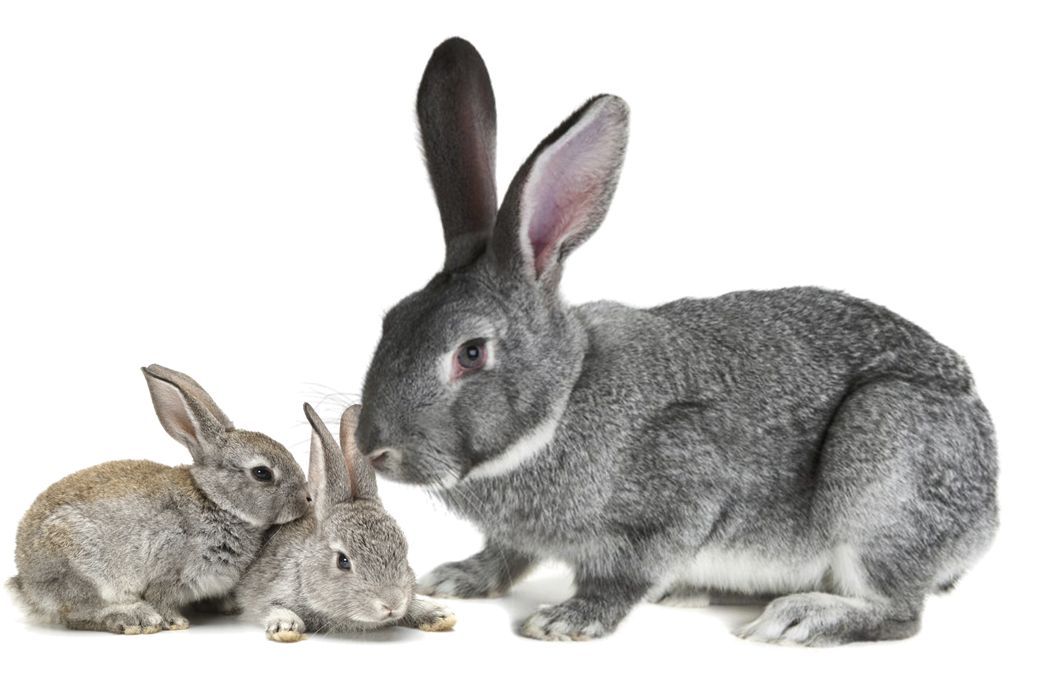
The coat of this rabbit is soft and medium to short in length. The color of this coat is pretty obvious, and is the same, one and only color that is accepted by the ARBA for American Chinchillas, and now Standard Chinchilla rabbits, dark slate blue.

Common Personalities Found in This Breed:

This rabbit breed in particular is very commonly known to be very docile and energetic in pretty much every situation. The friendliness of this rabbit is unbearable and amazing at the same time. This rabbit’s amazing with older children, and loves the attention.

This rabbit is also known to be quite smart, so giving extra time for agility and clicker training can really be amazing for this particular breed.

Sizing and Weight:

Since this rabbit is noticeably smaller than the American and Giant Chinchilla breeds, it is considered a medium sized rabbit, which is very understandable. The body itself is much more compact and quite small compared to the other “Chin” breeds.

The average weight of a healthy Standard Chinchilla rabbit is anywhere from 5 to 7 lbs. This is very noticeable when it comes to stockiness and overall length and size.

Common Medical Problems:

Like any other rabbit, Standard Chinchillas are susceptible to overgrown teeth and mites without proper diet and protection. Checking for ear mites can save so much money, time, stress, and mourning if checking for ear mites can become part of a routine for not only the owner, but the rabbit as well.

The site I used says that this rabbit is susceptible to flystrike, which is only possible if the rabbit kept outdoors, isn’t groomed properly, has an improper cage (which is improper no matter what if it’s outside), and if the rabbit is fed an improper diet.

Extra Care:

The only extra care that I would say is true for this particular breed would be the time and effort put into clicker training and agility. This would be not only amazing exercise for really any rabbit, but for the compatibility and patience of this rabbit, this being an amazing way to work its brain.

Works Cited:

“Standard Chinchilla Rabbit Breed Information and Pictures.” PetGuide, 21 Oct. 2017,               www.petguide.com/breeds/rabbit/standard-chinchilla-rabbit/.


Sources:

Link to Thumbnail Image


As always, thank you so much for coming back again. Please come back every other day for a new post on either bringing rabbits outdoors, or on different rabbit breeds. I really would appreciate it if you would give this post a like and send it to all of the rabbit lovers and close friends in your life. Until next time, continue to spread proper rabbit care, and I will talk to you soon, bye!

The American Chinchilla Breed Rabbit

The American Chinchilla rabbit is a very commonly known breed throughout the rabbit community, the only thing is that not all of these people may know the small details behind this breed. Due to this, I will be going over the history, characteristics, personalities, medical problems, and more!

The History Behind The American Chinchilla Rabbit:

The very first American Chinchilla was developed by Mitchem Surrey, or M.J Dybowski. These rabbits were first shown in 1913, the location being Saint-Maur, France. From here, the breed exploded with popularity.

The gorgeous coat on this rabbit made fur trade insane. It wasn’t until the summer of 1917 that this breed was put up on the British market. The year 1919 was probably the biggest year for this breed because a British exhibitor sent some of these rabbits to the New York State Fair to be entered. The entire stock was sold to two people, Edward H. Stahl and Jack Harris.

From here, American breeders went to work to make this rabbit larger. At this time, the average weight was only about 5 to 7 1/2 lbs. This increase in size was needed for appropriate meat and fur worth out of this breed. The breed was eventually established in 1924 through the accept of this breed by the ARBA, or the American Rabbit Breeders Association.

Common Characteristics:

The American Chinchilla is well known for its stocky body and grey fur. To be exact, the color is actually dark slate blue, which is the only color that is accepted through the ARBA for this breed. This is because the breed is meant to have the common chinchilla coloring. The American Chinchillas have short and soft fur that needs plenty of grooming during shedding season.

For the overall body of this animal, The rabbit has a large and stocky body with broad muscles and very powerful legs. The ears of this rabbit fit well to its body size, and look as though they would be considerably medium-sized.

Common Personalities:

This rabbit is amazing for its personality. One, this breed is incredibly docile and friendly, which is great for families with young children. Two, this rabbit is extremely sweet and loves attention, which is great for those who need an emotional support animal. And three, this rabbit’s happiness shines throughout anyone who is near the rabbit because they are just the sweetest rabbits ever, and love to snuggle.

Sizing/Weight:

The American Chinchilla rabbit is considered a large breed rabbit, not surprising due to the fact that they were bred to be meat and fur rabbits, which are usually large sized rabbits. The stockiness and stature of this rabbit are the two main factors to the sizing that it has been given.

The average weight of a healthy American Chinchilla should be anywhere from 9 to 12 lbs. This weight will usually come from muscle mass from the meat that was built up on this rabbit. Watching the weight of your rabbit is incredibly important, it could show whether your rabbit is sick or not.

Common Medical Problems:

There aren’t any specific medical problems that are commonly found in this breed itself.

Extra Care:

There aren’t any sources of extra care needed for this rabbit, besides plenty on exercise, which should be given no matter what!

Works Cited:

“American Chinchilla Rabbit Breed Information and Pictures.” PetGuide, 20 Oct. 2017,               www.petguide.com/breeds/rabbit/american-chinchilla-rabbit/.


Sources:

Link to Thumbnail Image


Thank you so much for all of the love an support that has been given throughout all of my posts. Please continue to come back every other day for a new post, and I will talk to you then in my next post, bye!

The Checkered Giant Rabbit Breed

Do you really know all about this rabbit breed? Would you like to know more? Do you want to figure out if this is about to be your dream rabbit? If this is the case, stick around to learn about the Checkered Giant and its history, common personalities, characteristics, its sizing/weight, any common medical problems, and extra care!

The History Behind the Checkered Giant Rabbit Breed:

The entire story isn’t quite clear, but the belief is that this rabbit was first recognized as a separate breed around 1800. The breed at this time was considered “Land Kaninchen.” The soon-to-be breed was either founded in France or Germany, but there were breeders in Germany who would take the “Land Kaninchen” rabbits and breed them to Flemish Giants. This made the “Lorraine”, or the “Great German Spotted Rabbit.”

It wasn’t until 1904 that the Great German Spotted rabbit was then bred to a black Flemish Giant to produce what we know today as the Checkered Giant. This rabbit was then transported to America six years later, to then be accepted into the ARBA (American Rabbit Breeders Association).

Common Characteristics of the Checkered Giant:

This rabbit is known for its slender, but muscular build. The rabbit’s ears should be upright almost all of the time, but not expected to be all of the time like most breeds. The rabbit’s head is very broad and refined.

The coat of fur for the Checkered Giant is short and soft, allowing maintenance to be very simple and short-winded. The coat’s colors will usually consist of white with black/blue spots throughout the rabbit’s body.

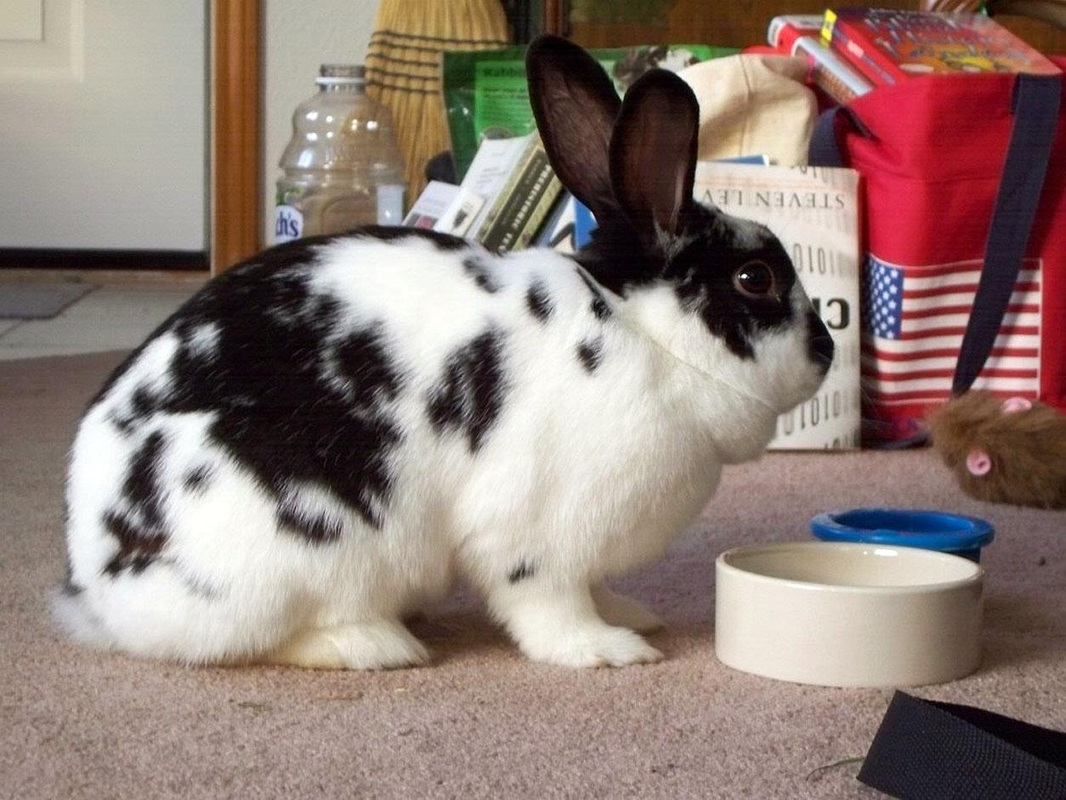
The markings of this rabbit are very distinctive. The accepted ARBA markings include the butterfly on the nose, a line down the rabbit’s spine, and two spots of either side of the body. All of these markings must be either black or blue to meet the ARBA’s standards.

Common Personalities Found in This Breed:

The Checkered giant is a very sweet rabbit with quite the curiosity. They love the attention of owners, and really do take advantage of activity time. They love to stay active and enjoy their time out and about.

Size & Weight:

This is the first rabbit breed that I have gone over that is considered a giant, which is quite obvious due to the breed’s name. This breed has a very muscular body that still looks very slender somehow. Due to the slender factor of this breed, they can be quite long as well.

The average weight of a healthy Checkered Giant is anywhere from 11 to 13 lbs. That is one heavy bunny! These rabbits may look like the average rabbit, but in reality, they are large, heavy, and muscular animals.

Common Medical Problems:

This rabbit breed doesn’t have any known medical problems that are commonly found  within the genetics of this rabbit.

Extra Care:

This rabbit does need a very large encloser due to its stature. This means more work with cleaning the area for playtime. Larger rabbit, larger cage, larger area, that’s just how it is. This is all in the name of proper rabbit care.

Sources:

Link to Thumbnail Image

“Checkered Giant Rabbit Breed Information and Pictures.” PetGuide, 20 Oct. 2017,                        www.petguide.com/breeds/rabbit/checkered-giant-rabbit/.


Thanks for all of the love and support that has been given throughout all of the last couple of posts. Please continue to come back every other day to learn more about rabbit care and different breeds. As always, continue to spread proper rabbit care, and I will talk to you soon, bye!

The Blanc de Hotot Rabbit Breed

There are so many rabbit breeds, so going over yet another one is a great opportunity for anyone looking for the right breed for them. Because of that, I will be going over the Blanc de Hotot rabbit breed for anyone looking for the right breed for them.

The History of the Blanc de Hotot Rabbit:

The credit of the establishment of this breed actually goes to one individual, this person being Eugenie Bernhard, the 2nd woman to establish a rabbit breed. This breed happened to develop in Hotot-de-Auge, Normandy. This breed was known for its meat and fur, being important in 1902, when this breed was first recognized.

To obtain this breed, a Papillon and White Vienna were bred, then after that, a White Flemish Giant. This breed-to-be-developed was worked on for 20 years. It took over 500 breed crossings until the breed was to the standards, the year being 1920 that this breed was shown in the Exposition international d’Aviculture, which was located in Paris.

It wasn’t until October of 1922 that the French recognized this breed, and finally were shipped to the USA around this time, but there is a twist. They didn’t last long in the US, and were shipped to Switzerland. Almost all of the Blanc de Hotot rabbits died that existed in Europe due to World War II. It wasn’t until 1978, that a man from Texas recognized the problem and put this breed on the endangered list. The breed was official in 1979, but was known globally to be endangered.

Common Characteristics of the Blanc de Hotot:

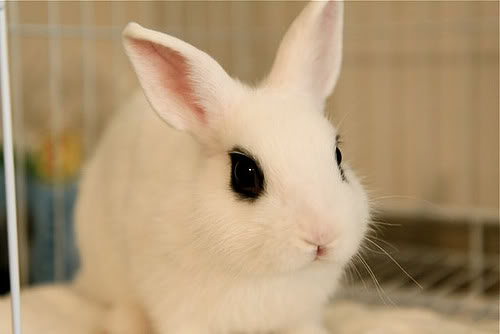
The Blanc de Hotot rabbit has short and fluffy fur. This rabbit is known as the cute and fluffy bunny that is all white besides the black “eyeliner” that is accentuated from its bright fur. There is actually a standard saying that the “eyeliner” can’t be more an eighth of an inch thick, otherwise the rabbit isn’t proper, but hey, they’re still cute.

The rabbit’s ears are medium sized with the tail being extremely small, only because the fur covers the majority of the tail. Even though this rabbit looks very small in pictures, you would be shocked at their sizing, which I will be going over in a bit.

Common Personalities of the Blanc de Hotot:

This rabbit is extremely well known to be an amazingly sweet and docile rabbit. Not to forget, this rabbit is also extremely active, which is great since a voluntarily active rabbit is great for beginning rabbit owners, especially for those confused of how to get the rabbit’s exercise in without too much time being spent.

Sizing and Weight:

This rabbit, believe it or not, is a large sized rabbit, this is insane to me. In all of the pictures that could possibly be found, this rabbit breed always looks so tiny, but they really aren’t.

Blanc de Hotot rabbits weigh an average of 8 to 11 lbs. as a healthy weight. This being said, making sure this weight is being kept is important, like in all animals.

Common Medical Problems:

This rabbit doesn’t have a common illness, but through my research, I have found that they, like all other rabbits, are susceptible to overgrown teeth. Overgrown teeth can be shown by lack of athleticism/activity and eating problems. If you think your rabbit have overgrown teeth, go to your vet immediately to have a treatment of shaving the teeth down and a prescription if needed.

Extra Care:

This breed doesn’t have any extra care needed.

Sources:

Link to Thumbnail Picture

https://www.petguide.com/breeds/rabbit/blanc-de-hotot-rabbit/


Why is Forage Important?

Foraging is important to many rabbit owners and their little friends, but not all rabbit lovers, or any person out there, will know why foraging really is important. Due to this, I will be going over all of the ways that forage is important for you, and your rabbit(s).

How Can Foraging Benefit Your Rabbit?

Foraging can benefit your rabbit in 4 different ways, these ways being entertainment, nutrition, enrichment, and variety.

Entertainment:

Forage is an amazing source of entertainment for rabbits, they love it. Entertaining rabbits can’t always be an easy task, but grasses can really keep your rabbit occupied for a long time. Simple things found outside can give your rabbit something to gnaw on to keep them distracted for a while.

Nutrition:

There are many sources of food for your rabbit outside that isn’t accessible from inside. That being said, getting that food for your rabbit is amazing for their well being. There are so many amazing plants outside that have so much more nutrition than anyone could expect, dandelions are a great example. They have great nutrition in their leaves for salad, and their flowers have natural sugars that are still healthy in a form of a treat, or a salad add-on.

Enrichment:

As for enrichment, what part of forage isn’t enrichment? Your rabbit is now given the access to different treats, foods, and toys that they were kept away from for their entire life, and now they get the opportunity to experience this all. Enrichment is all about occupation and experiment, forage covers both.

Variety:

Forage is so amazing for giving a rabbit a little variety in its life. Some rabbits will only get store bought toys and the food that they need, but giving them more than just what they need can really improve the rabbit’s appetite and mood. Variety is found everywhere in forage with food, treats, and toys. Can’t forget that it’s all natural too!

How Can Foraging Benefit You?

Believe it or not, foraging can benefit you in many ways, even if you can’t realize it. Some of the ways that foraging could and would benefit you includes budget, piece of mind, and nutrition.

Budget:

Whether you only forage for one item, or for everything in your rabbit’s diet, the amount of money spent on your rabbit’s needs will decrease by a very slight amount, or a very large amount, or you may never have to go to the pet store again, you may never know.

Piece of Mind:

There is that piece of mind when you forage, it’s because you know what’s going into your body, or your rabbit’s body. You know whether it’s safe, unsafe, or wild, everything you put there, you know it’s in there… well, hopefully.

Nutrition:

The nutrition is a great variable in this all if you happen to forage for yourself. Nutrition is a very large factor in many decisions with food, whether it’s for your rabbit, or yourself, it should always be incorporated within the subject. Lucky you, forage can be extremely nutritious and can give many vitamins and minerals that may not have been all that accessible before.

Thank you for coming back again for this post. It does tie in with my last foraging post I did, so make sure to check that out. As I have been, I will be going over breeds one day, then foraging/outdoor activities the next, considering that I post every other day. If you enjoyed this post, give a thumbs up and make sure to tune in 2 days from now for my next post.

The Beveren Breed Rabbit

Today, I will be going over the Beveren breed rabbit. As I have been doing, I will be going over the common characteristics, common personalities, common medical problems, and more!

The History of the Beveren Breed Rabbit:

There is a debate of whether this breed was from England or Belgium. Those on the side of Belgium say that the rabbit was transported around the late 1890’s to Britain, but then put in the spotlight for shows around 1905.

The breed was then most popular for the time in 1918, when the Beveren Club was established. In 1919, the breed was transported to America and accepted into the American Rabbit Breeders Association as an official breed.

Characteristics of the Beveren Breed:

The Beveren breed rabbit has a medium sized torso with a nice, rounded face. The ears are very large in the aspect of length, and reach up to 5 inches long at the age of adulthood. This rabbit has a large body overall.

Beveren rabbits have very sleek and glossy fur. There are three different colors that are accepted through the ARBA. These colors are:

  • Solid Blue
  • Solid Black
  • Blue-Eyed White

There are many more colors of this breed, but the three about are the official and accepted colors for this rabbit.

Common Personalities of the Beveren Breed:

These rabbits are known to be quite intelligent, so very carefully planning locations, and bunny-proofing will be extremely important. These rabbits are also very curious and are docile. They do better with older children than younger children for any families, but will still do great with adults.

Size and Weight:

The Beveren breed rabbit is large-sized because of weight and overall size. The rabbit itself is quite large compared to many rabbit breeds. The different size options are dwarf, small, medium, large, and giant, so it on the bigger side of rabbit breeds.

The average, healthy weight of a Beveren breed rabbit is anywhere from 8 to 12 lbs. This really goes to show that they are very large, and can weigh quite a lot for their body size.

Common Medical Problems:

Since this is a larger rabbit, it is so important to make sure that proper grooming around its bottom is done. This way, any possible buildup of fur won’t clump up to allow droppings to stick, to then cause flystrike. I find that it’s much easier for smaller rabbits to groom their bottom, so giving this rabbit the grooming and attention-to-detail is very important.

Extra Care:

This breed specifically doesn’t have any extra care, but as a large rabbit, like all of the other large breeds, I would be very cautious over weight gain and loss. The correct diet, encloser, interaction, and exercise can allow this rabbit to live for much longer than expected.

Sources:

Link to Thumbnail Image

https://www.petguide.com/breeds/rabbit/beveren-rabbit/


Thank you for coming back once again for this post. I will be going over more and more information every other day, so continue to come back then. Until then, please feel free to visit my last post and the others suggested within that information. I’m so glad to have you and will talk to you soon, bye!

The Belgian Hare Breed Rabbit

Today, to go over a single breed rabbit. (there aren’t multiple related like the Argente rabbits) I would like to go over the Belgian Hare. As always, I will be going over the history, common characteristics, common medical problems, and more.

The History Behind the Belgian Hare Rabbit:

The Belgian Hare originated from Belgium, not very surprising, and they blew up to be awesome rabbits to breed. They were mainly known to be meat rabbits due to their “hearty meat”. It was already 1873 by the time that this breed was transported to England.

The breed was then transported to America in 1877, and was accepted into the National Belgian Hare Club, which was formed in 1897. The breed’s name was constantly being changed, but in 1972, the Belgian Hare breeders came together as a group and discussed. Not long after that, the breed was called the Belgian Hare.

Common Characteristics:

The Belgian Hare will usually have brownish-grey fur, a very curved back, and a thin looking structure. They are quite sturdy rabbits, despite their small stature. The rabbit’s coat is also very thin and doesn’t need any maintenance besides occasional run throughs.

Common Personalities:

This breed is very known to be sweet, but can be extremely protective from being known for being nervous. These rabbits are very active as well, so making sure that you are taking time to bond with this rabbit is very important, since it is quite skittish.

Size/Weight:

Belgian Hares are large sized rabbits and can really show it. They are very tall rabbits with long legs as well. Their backs arch tremendous amounts and are quite skinny, even though they can weigh quite a bit.

Belgian Hares will average a healthy 6 to 9 pounds of weight. Considering their tall stature, that isn’t much. If they were stockier, they would be a heady breed of rabbit.

Common Medical Problems:

The site says that this rabbit is susceptible to flystrike and mites from being outdoors since they are known to be “outdoor rabbits”, but no rabbit should ever be kept outdoors. Make sure that this rabbit is always kept indoors for general housing, like any other rabbit, especially since rabbits get spooked so easily, this breed in particular.

This rabbit has very short fur and should be monitored for any sort of skin irritations. The skin is very exposed compared to most rabbits, and for this breed in particular, I feel that it could show many signs needed to possibly save its life someday.

Even though that came from my mind and not from research, honestly, it’s common sense. This rabbit could also be more sensitive to cold, and that could also dry out its skin. I feel that your rabbit’s skin is like yours, it’s dry if hydration isn’t proper, remember that.

Extra Care:

The rabbit does have a little bit of extra care that I would like to recommend for anyone with this rabbit, or getting this rabbit. I would recommend bonding sessions with just you and the rabbit at least once a day. Since this rabbit is so skittish, you will want to build the trust in order to do more with your rabbit and give it a happy and very healthy life.

Sources:

Thumbnail Picture Link

https://www.petguide.com/breeds/rabbit/belgian-hare/


Thank you for the continuous support that has been given. I will be posting like I have been, so come back in 2 days for a new post. In the mean time, share proper rabbit care and I will talk to you soon, bye!
The Argente de Champagne Rabbit

To end with the “Argente” breeds, I will be going over the Argente de Champagne rabbit. As always, I will be going over common characteristics, personalities, medical problems, extra care, and more!

The History of the Argente de Champagne Rabbit:

The Argente de Champagne rabbit originated from Champagne, France. The thing is, the breed could have already been developed, but was recognized in Champagne, France. In France, they were known as the French Silvers.

Large quantities were then shipped to England, and were named the Argente de Champagne breed rabbit. But, even before this happened, America was sent many of these rabbits in 1912, the shipping to England wasn’t until 1920.

The breed then was accepted into the hands of the American Rabbit Breeder’s Association from anywhere between 1955 and 1959. Except, there was a twist. The Americans decided that the “e” in the end of Argente should be removed, which leaves many confused whether the breed is Champagne d’Argent or Argente de Champagne, it depends where your source is located. From where I am, I should technically be calling it the Champagne d’Argent, but I don’t see much of a worry since with either name, the breed is still the same.

Common Characteristics:

  • 0-6 months old:
    • Undeveloped coat of fur
    • All black
  • 6-8 months old
    • Coat developed
      • Silver
      • Thick and well maintained coat
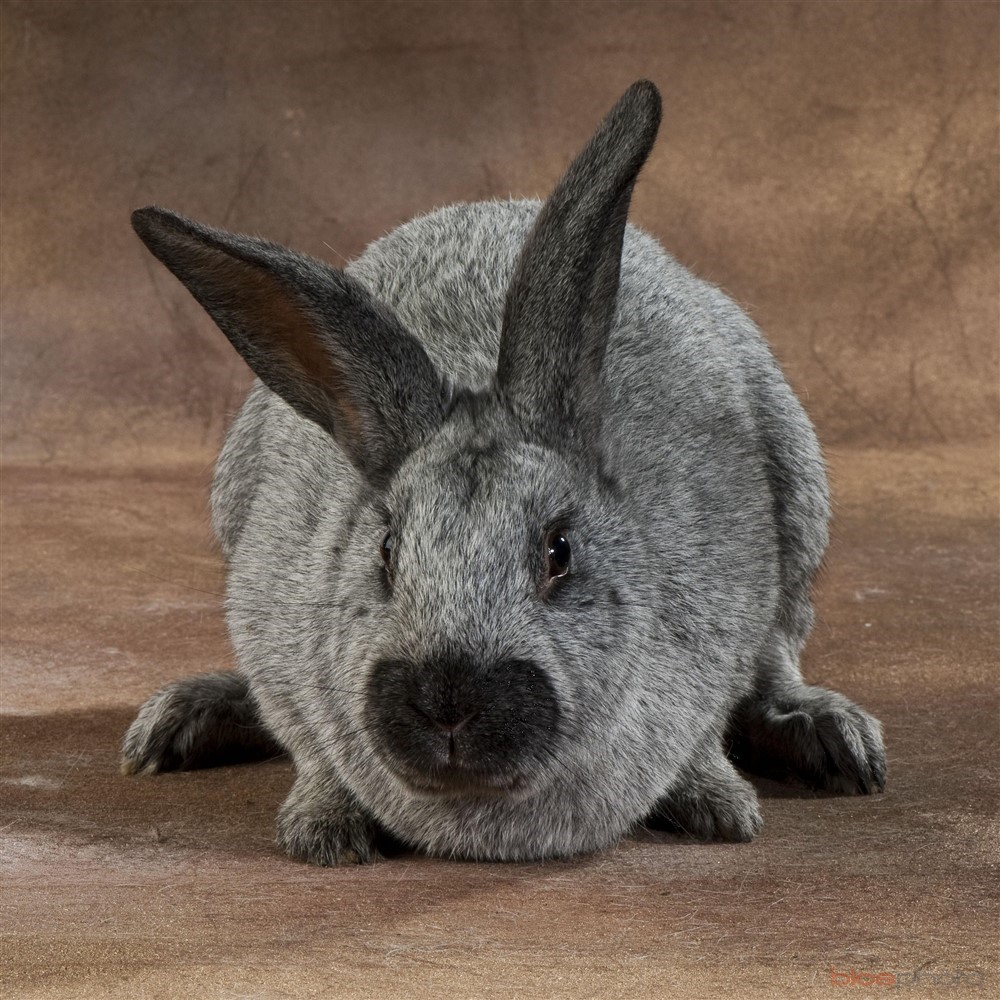
      • Darker ears and nose (black)

Common Personalities:

Champagnes are known to be extremely affectionate, energetic, and quite curious. Due to this rabbit being extremely sweet and compassionate, they do great with first time owners. They are very loving on anyone and love to play.

Size:

Weight: The average Champagne is about 9-12 pounds. Considering the breed is so energetic, keeping the rabbit very fit and healthy shouldn’t be hard, as long as the rabbit has proper nutrition and is given all rabbit-proofed and rabbit-safe products.

Sizing: The Champagne is a large breed rabbit, which can be guessed by the weight. As such a large standing rabbit, making sure the cage is big enough is important, but if you can, I would suggest free roaming a rabbit of this breed, or any rabbit. The rabbit could really love the space and exercise capabilities.

Common Medical Problems:

Without proper care, this rabbit could very easily die from fly strike. Fly strike is a sickness commonly caused in rabbits with thick fur. When droppings attach to the fur, it will attract different flies and will cause the fly to lay eggs in the rabbits fur since it is so thick. The flies’ eggs will then hatch to be maggots, the maggots then going and eating the flesh of the rabbit with the potential to kill the rabbit within 24 hours.

Besides the fly strike, these rabbits should have at-home check-ups every week like any other rabbit to check for mites, infections, or any unusual behaviors.

Extra Care:

Just as a little side note for this breed, they are extremely social, so make sure to give plenty of extra attention to allow the rabbit to be a very respectful and loyal rabbit once it is full-grown. This should be the way with any rabbit, but I would like to mention it in this post since this rabbit can be so curious, which can turn to cautious very easily.


Sources:

Link to Thumbnail Picture

https://www.petguide.com/breeds/rabbit/champagne-dargent-rabbit/

https://rabbitwelfare.co.uk/rabbit-health/flystrike/


Thank you for once again coming back for this post. I would like to mention how amazing everyone has been and all of the positive feedback I have been getting. Please share this post with your family and friends and I will talk to you in two days, bye!

The Argente Creme Rabbit

To continue with the “Argente” rabbits, I would like to go over the Argente creme rabbit. I will be going over common personalities, characteristics, medical problems, and more!

The History Behind the Argente Creme Rabbit:

The Argente Creme breed doesn’t really have an origin besides the fact that it was mentioned in the French papers, was important to America, and was used as a different breed to try to breed for. At this time, breeding rabbits in the New York area was very popular and was common.

This particular breed was set aside to showing and meat. It was around the 1940’s that the breed was accepted by the American Rabbit Breeders Association.

Due to the breeds slow production, the Argente creme was on the “watch” list for a while, and is now on the “recovering” list. The breed’s population must have made a plunge after the meat of the rabbit was taken advantage of.

Common Personalities:

The Argente creme is know to be an extremely docile and sweet rabbit that is still very active and playful. They do great with older children, older couples, living in small houses, with first time owners, and is a great rabbit for singles. They will be quite active, but aren’t crazy and are known to be well-behaved.

Characteristics:

  • Body Shape: Very rounded and full shoulders.
  • Coloring: Orange, silver, fawn colors.
  • Ears: Medium sized.

Size:

Argente Creme rabbits are considered large breed rabbits. If you don’t know, the size possibilities are:

  • Dwarf
  • Small
  • Medium
  • Large
  • Giant

As for weight, the average Argente creme will weigh about 8 1/2 to 11 lbs. They can be quite stocky rabbits, so making sure they are getting the exercise they need is a must for any owner of this breed.

Common Medical Problems:

There are not any common medical problems specifically found in this breed.

Extra Care:

The only suggestion I would make is to insure that the rabbit is getting plenty of exercise because a rabbit this size can very easily become inactive and overweight.

Sources:

Thumbnail Image Link

https://www.petguide.com/breeds/rabbit/creme-dargent-rabbit/

*The source I have been using for these breed posts says that this breed does well outside without any major temperature changes. This is very misleading as rabbits should never be kept outside. I don’t ever advise letting a rabbit live outside because of temperature, weather, predators, and more. *

Thank you for coming back once again. I would appreciate it if you would leave a like as that really helps me out. I would like to know if you have any suggestions of breeds that weren’t listed in my post called “The Breeds I Will Be Going Over w/ Details”. I would definitely appreciate it! Thank so much for all of your support and I will talk to you soon, bye!