How to Protect a Rabbit From Outdoor Predators

Predators are everywhere, and to have to worry about them can be a real hassle. To take off some of the stress through protecting rabbits, I would like to go over the main details that could easily prohibit predicaments from happening.

Proper Location:

Finding the proper location to keep a rabbit safe outside is very important. The amounts of problems that will be run into without proper location seems endless. Not only can the squirrels from trees get into the pen, since fabric won’t keep them out, the amount of times that I have seen rabbit owners allow their rabbits to just wander wherever is insane.

Even though one spot may seem safe from predators, pests, and parasites, you may not realize the different drawbacks to that section of land. The land should be as close to flat as possible, along with the other precautions. Bringing a rabbit to an unsafe area for playtime could cost money, time, or possibly your rabbit’s life.

The location of your land could also determine whether bringing your rabbit outside is a decent idea. If your land is full of hawks, vultures, wolves, and coyotes, I wouldn’t recommend allowing any playtime outside for your rabbit, unless you can find a very secure section of land, preferably very close to your house, to keep your rabbit safe and secure. Other predators to look out for are listed in my post called Predators of Rabbits Outside to be Aware of For Playtime, go check it out.

Flooring:

Preventing any burrowing predators could easily save your rabbit’s life. Even house pets like dogs and cats can be an obstacle to anyone looking to bring a rabbit outside for playtime. Flooring is a very simple subject that can become very complex, so being caught up on other posts could help.

The basics to flooring outside with rabbits is very simple. If you choose to give your rabbit access to grass, which must be rabbit safe, I would recommend choosing a very secure place to ensure that your rabbit won’t be injured if a predator was to come along and try to dig under. Setting up underground barriers for predators would be sufficient for protecting your rabbit. This way, your rabbit can still enjoy nice grass without any predators to threaten them.

The other option would be using flooring over all, or most of the grass. The recommended material for flooring would be wood, this is because plastic wouldn’t hold up well, and if the rabbit was to chew, the wood would be safe. To prepare the flooring, you will need to measure out the size of the exercise pen, to ensure that the piece of wood will cover the entire area of the pen, and part of the ground outside of the pen as well.

Roofing:

Providing a roof to a rabbit’s exercise pen is so incredibly important. Not only is the fabric that will be placed over the top going to be protection from hawks, vultures, and eagles, the fabric can prohibit some of the heat from the sun from hitting the rabbit’s coat directly. Rabbits are extremely heat-sensitive and should only be brought outside with the maximum temperature being 78 degrees Fahrenheit, the minimum should be around 58 degrees Fahrenheit.

The best type of “roofs” would be any type of sturdy fabric. Personally, I would use a bed sheet because it’s thin, breathable, and large enough to go over the pen. If you would like to allow some light coming through the fabric, you could pull some of the fabric back, but at least half of the pen should be covered by a fabric material. Please do not cover the sides of the pen. By covering the sides of the pen, you are restricting your rabbit’s access to fresh, cool air.

Area Protection in General:

Protection of the entire area is crucial for the rabbit’s safety and well being. With the entire area where the rabbit will be, and the area around must be protected thoroughly in order to keep your rabbit safe. Even being in the general area of the pen can keep your rabbit safe from predators, which should be done no matter what.

Your Guidance:

As I just explained, existing in the general area of the rabbit’s pen can not only scare off approaching predators, humans are so frightening to so many animals, that the predators won’t even come near.

With your guidance and protection, you could save a rabbit’s life, along with having a great time and making memories to look back on for years.


Link to Thumbnail Image (All credit goes to the photographer and owner of this photo)


As always, I would like to thank you for coming back. If you enjoyed this post, please feel free to leave a like and share this post with family and friends. Please come back every other day for a new post, but until then, continue to spread proper rabbit care and I will talk to you soon, bye!

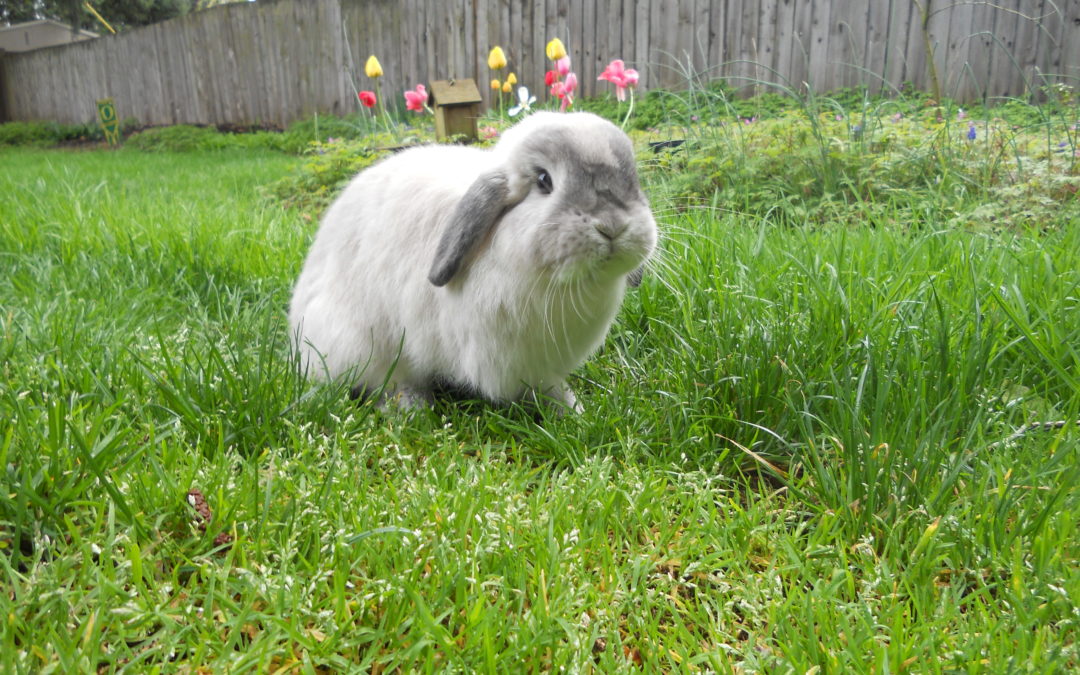
The Dwarf Lop Rabbit Breed (AKA the Mini Lop)

This breed of rabbit is so cute and adorable, and is great for owners of all experience, but what about those extra little details. Because the little details still matter, I would like to go over the Mini Lop, or Dwarf Lop, rabbit breed.

The History Behind the Dwarf Lop Rabbit Breed:

The Mini Lop rabbit breed originated from the German Lop, from Germany, and when a breeder bred the German Lop with a Chinchilla rabbit, the Dwarf, or Mini Lop came about. At this time, the breed was known as the Klein Widder, also known as the “little hanging ear.”

In the 1970’s, a man by the name of Bob Herschbach was in the country of Germany when he spotted some of these rabbits in a rabbit show. From here, Bob Herschbach, a rabbit breeder, brought three of these rabbits home with him, to California. These rabbits were then bred to The Standard Chinchilla Rabbit Breed to then establish what we know now to be the Mini Lop.

At this time, the breed was still considered the Klein Widder rabbit, this was until 1980 when the ARBA, or American Rabbit Breeders Association, accepted this breed and renamed the breed to be the “Mini Lop.”

Common Characteristics of the Dwarf Lop Rabbit Breed:

The overall body of this rabbit breed is very straight forward. The body is very well rounded, with a small and well rounded head. The muscles of this rabbit’s body do happen to be very prominent. The overall rabbit’s size is quite small. With this, does do tend to be smaller than bucks, so please keep that in mind.

As for the coat of the rabbit, the fur should and will most likely be very silky, fluffy, and cuddly. The fur length itself has about a medium length. The maintenance of this rabbit’s coat can be a little tougher. The fact that this rabbit has so much fur means that there is more to brush out and dispose of when shedding seasons come around.

The accepted and “proper” colors of Mini Lops, according to the ARBA, are: agouti, broken, pointed white, self, shaded, ticked, and white band.

The accepted color patterns and markings for this breed include: tri-colored, two colors, solid colors, and more!

Common Personalities Found in This Breed:

This breed, like many others, is known for the rabbit’s unbelievably sweet nature and the affection shown throughout the rabbit and its personality. This breed is also known to be very energetic, not to forget docile and curious. A Lop rabbit would love time outdoors for playing, not to forget the time reserved for snuggling and affection.

Sizing and Weight:

Despite the name of this rabbit breed, this rabbit is not categorized to be a mini/small rabbit, in fact, Mini Lops are actually medium sized rabbits. If you have ever seen a Mini Lop in person, you would know why. They have very stocky and smooth bodies, not to forget all of the built up muscle and energy of this breed. Even though this bunny’s body is short and stubby, this rabbit isn’t weak at all.

The average weight of a healthy Mini lop should be anywhere from 3 to 6 lbs. Even though your Lop might be heavier, or lighter, mixed breeds can really mess up with weight. As I mentioned before, does do tend to be lighter than bucks, so if you have a small mixed breed doe, expect a light weighed bunny.

Common Medical Problems:

There really aren’t any common medical problems, besides a commonly found predicament that is very common in long-haired rabbits, especially those with soft fur. The problem comes when the Mini Lop, or really any rabbit, isn’t properly groomed and the fur by the rabbit’s hindquarters gather stools and urine to the point that there is a large pile of feces stuck to the rabbit. This pile of feces could attract flies, fleas, dung beetles, mites, and could also give a higher chance for an infection.

I would also like to mention that an improperly groomed rabbit that constantly has to groom itself can easily clog its intestinal track, which would cause GI Stasis, which is a very serious illness that must be treated immediately, or within 24 to 48 hours, otherwise your rabbit may not live.

Extra Care:

All I can really say for extra care would be the excessive grooming that would be necessary to keep this rabbit healthy. Even though these rabbits are like many others, and all rabbits need appropriate grooming, this rabbit needs the excessive grooming to stay healthy. Grooming this rabbit every week would be sufficient, and every day grooming sessions for shedding seasons.

Works Cited:

“Mini Lop Breed Information and Pictures.” PetGuide, 6 Feb. 2019,                                                      www.petguide.com/breeds/rabbit/mini-lop/.

Sources:

Link to Thumbnail Image (All credit goes to the photographer and owner of this photo)


Thank you so much for all of the support. Some of you may have known that the 8th of August was Ollie’s birthday, so thank for to anyone that thought of him. I would have mentioned it on his birthday, but I was at a camp and had to prepare my posts ahead of time, so it didn’t exactly cross my mind at that time. Please share this post with your family and friends, but until next time, continue to spread proper rabbit care!

Predators of Rabbits Outside to Be Aware of For Playtime

A large concern for many rabbit owners when they bring their rabbit outside are the potential predators that could be lurking around your rabbit’s area. Because the awareness of knowing what animals are dangerous is important, knowing what predators are out there to look for is key. For the safety of all of the domestic rabbits being brought out for playtime, I would like to acknowledge and specify the different predators of rabbits to look for.

The Different Predators:

The most common predators of rabbits in my specific area would be:

  • Hawks, eagles, and other large birds
  • Wolves, coyotes, foxes, and cougars
  • Raccoons, badgers, skunks, and weasels
  • Not to forget house pets like dogs and cats too!

Other predators to take note of for other areas of the world would be:

  • Ferrets and Stoats
  • Dingoes and other raptors
  • Lynx and large owls
  • Don’t forget that large snakes can easily kill a rabbit too!

Risks of These Predators:

To make this obvious, these animals that are listed are obviously looking to kill and eat a rabbit. These animals are looking for any easy kill as well. If you have a rabbit in a cage outside that isn’t properly secured, don’t expect to see your rabbit the next day. This, with many other reasons is why you should never keep a rabbit outside, whether you think, or even know the cage is safe, don’t you dare risk an animal’s life just to put them outside and let them sit there with nothing to do because they’re stuck in a tiny cage, without clean water, bedding, and food.

Another large reason behind protecting your rabbit very precisely, is for your rabbit’s well being. With rabbits being a very well known prey choice of so many animals, it is so incredibly important to protect your rabbit’s sight. If rabbits freak out for too long, they can go through a heart attack, and possibly die, just from being frightened of something they saw.

Why Prevention of These Predators is Crucial:

Since it is so obvious that the point of keeping these animals away for the sake of your rabbit’s life, I would like to point out three things with why keeping your rabbit’s enclosure outside is the worst idea ever, whether it has to do with predators or not, not to forget that I already mentioned the easy kill that predators look for.

  1. Rabbits are very sensitive to heat. Any temperature above 80 degrees Fahrenheit is dangerous to your rabbit’s respiratory, and life.
  2. Natural Disasters are so much worse without knowing whether your pet is okay or not, along with the higher chance of death and damage with an outside enclosure.
  3. Bugs! Bugs are very dangerous, even if you happen to be up to date with bug medications, which I explain in my post called Bug Repellent and Medications for Rabbits (For When They Go Outside)

I really wanted to make it clear that I am in no ways promoting outdoor enclosures for rabbits. They are terrible ideas, and shorten rabbit’s lifespans, not to forget that they  ruin your relationship with your rabbit, so please, don’t have a domestic rabbit ever live outside.


Link to Thumbnail Image (All credit goes to the photographer and owner of this photo)


Thank you so much for coming back again for this post. Please share this post with all of the rabbit lovers in your life. Give this post a like to show that you support indoor rabbits, and I’ll talk to you soon in my next post, bye!

The Dwarf Hotot Rabbit Breed

These lovable, little fuzzballs are amazingly adorable to look at, but what about the care that goes into this rabbit? Are they moody, lovable, or calm? Are they the pet for you? I can help you out today if you are willing to ask, and answer those questions.

The History Behind the Dwarf Hotot Rabbit Breed:

The regular or “normal” sized Hotot is not just a larger version of this rabbit breed. There is a misconception that Dwarf Hotots are mini versions of a regular, or Blanc de Hotot, also known as the White Hotot. Even though the regular Hotot did definitely contribute in the making of this breed, there is way more to this breed than the size difference to make a different breed.

The original Hotot was developed and discovered in the early 20th century, by Baroness Bernard, in France. Breeding efforts went on in Eastern and Western Germany to make these rabbits smaller, but to keep the original breed the same. There were two separate breeders that used the same two breeds of rabbits to make or establish this new breed, the Dwarf Hotot. White Hotots and Netherland Dwarfs were used for the establishment of this new breed. Keep in mind that this happened in the 1970’s.

The year of 1970 was very big for this breed. A woman by the name of Elizabeth Forstinger, coming from California, brought seven Dwarf Hotots from Western Germany to the USA to be shown. This breed wasn’t shown until 1980. It wasn’t until two years later that the Dwarf Hotot Rabbit Club was established, to then certify the breed to be official in 1983 by the ARBA, or the American Rabbit Breeder’s Association.

Common Characteristics of the Dwarf Hotot Rabbit Breed:

This breed of rabbit is extremely popular for what is known to be the “eyeliner” on the rabbit. This rabbit has short, white fur that can be quite soft. The body type to this rabbit can explain many things.

First off, this rabbit has a well-rounded, fitting head, a short neck to fit the small body of the rabbit, rounded shoulders and hindquarters for strength and power, but to finish it all up, the ears are small, stubby, and thick, just large enough to make the ears fit the head appropriately.

Common Personalities Found in This Breed:

Despite the small stature of this rabbit, this rabbit can have and express large personalities. This breed is known to be very sweet and snuggly. The rabbit’s energy can contradict its snuggle time. This rabbit will gladly appreciate a large amount of time out and about, just like any rabbit would.

The times that these rabbits are calm and cuddly are great bonding moments. If you would like an emotional support rabbit, you defiantly have the support with this rabbit. The affection found in this breed is astonishing and adorable for the owners, and those aware of it.

Sizing and Weight:

The size of this rabbit is very obvious. Yes, this rabbit is a dwarf, I know, very surprising. These rabbits are particularly small and cute. They are known for their tiny bodies and the small sizes.

The average weight of a healthy and happy Dwarf Hotot should be somewhere from 2.5 and 3.5 lbs. These little fuzzballs are made up of just enough muscle to help them out on energetic days, but not to forget the lazy nights.

Common Medical Problem(s):

Even though this rabbit is adorable, there is a common medical problem found throughout this breed, and many other dwarf breeds. Malocclusion is the proper name of this condition.

Really what Malocclusion is, is a condition of which the front teeth of a rabbit, particularly a dwarf rabbit, are directly above the lower teeth, in which uncomfortable conflict can easily occur. This can cause many problems, such as discomfort in eating, which could cause a nutrient deficiency if the rabbit avoids eating food. Because of this, it is very important to bring your rabbit to the vet around every 6 to 8 weeks, or whenever your rabbit-savvy vet tells you.

Extra Care:

There isn’t exactly extra care for the rabbit, more like extra care for you. You will need to be extremely cautious of where to step, the access the rabbit will have to other areas of the house, and how many extra dangers such a small rabbit could run into. Because of this, small children around any rabbits of this breed is the worst idea ever. One step on this rabbit by a child could instantly kill one of these rabbits. My suggestion would be to avoid this breed at all costs with any child younger than eleven. This is for the children’s’ safety, and the rabbit’s.

What I’m getting to, is that this rabbit should only be interacted with if the person is a teen or older, I wouldn’t even risk allowing a child near this rabbit, even though they would be supervised. One wrong move could kill this rabbit immediately.

Works Cited:

“Dwarf Hotot Rabbit Health, Care, Feeding, Temperament, and Coat.” PetGuide, 13                     Mar. 2019, www.petguide.com/breeds/rabbit/dwarf-hotot/.

Sources:

Link to Thumbnail Image (All credit goes to the photographer/picture taker of this photo)

What to Do and Not to Do With a Rabbit Outside to Play

Because bringing rabbits outside can be very risky, I would like to acknowledge the correct and incorrect, do’s and don’ts of bringing rabbits outside. Knowing what is safe and isn’t safe is important in any aspect of life, even for animals.

What to Do:

The following categories are food and forage, protection, handling, and bedding/litter. For this section, I will be going over the correct actions to take in these categories.

Food/Forage:

  • Bring typical treats, hay, and other food for your rabbit. This allows the owner to know whether the rabbit is relaxed enough to eat, or whether it would be best to bring the rabbit back inside. The ears, eyes, and noses, of rabbits are unbelievably strong and can easily sense danger, which is why it’s important to be there with the rabbit in case they feel too threatened to eat and play.
  • Give safe forage to the rabbit if it happens to enjoy the treat. Rabbits are more than happy to try new food, and will love the full experience of being outside with outdoor food. If you would like to know more about safe forage, the link to my safe forage post will be after this category.
  • Supply water as you would always do. Make sure you supply the same water, same bowl, and same setup as you would with the water inside. This gives the rabbit a sense of familiarity and comfort in their surroundings that they recognize.
  • Forage That is Safe For Rabbits

Protection:

  • Always supply at least one hiding house. Without a hiding house, a rabbit could go through loads of stress, and could potentially go into shock. Giving a familiar hiding house can also calm and soothe a stressed out rabbit.
  • Place the pen on flat ground. By placing the pen on flat ground, there isn’t really a chance that your rabbit can get out. If you have something covering the grass/ground, it’s always important to make sure that it’s flat on the ground, and the same goes for the pen. The more secure, the smaller possibilities for predicaments.
  • Cover the top of the pen with some sort of fabric material. This prevents large birds from swooping down to grab your rabbit for lunch. The coverage can also keep the temperature and the sun out of the way.
  • A few posts to look into could be: Where to Bring Your Rabbit Outside to Play
  • What You Need to Bring Your Rabbit Outside

Handling:

  • Continue to handle your rabbit like usual. Extra support while handling your rabbit outside is key. A stressed rabbit will be much more susceptible to being spooked and wary.

Bedding/Litter:

  • Give your rabbit access to the same bedding and litter that they are used to. Even if you decide to have a separate pile of bedding for when you bring your rabbit out to play, you will still want to make sure that your rabbit’s smell is on that bedding, the more familiar, the more relaxed and comfortable the rabbit(s) will be.

What Not to Do:

With the same categories, I would like to acknowledge the improper, or incorrect, actions related to these four categories. Listed below each category will be at least one action NOT to take when bringing a rabbit outside.

Food/Forage:

  • Although your rabbit won’t be outside for too long, don’t avoid supplying hay. Whether you are allowing your rabbit to graze on rabbit safe grass and forage or not, hay must be supplied to keep your rabbit’s digestion track going. Every rabbit has a different taste, and if your rabbit doesn’t like to grass and forage outside, there isn’t much for turning back.

Protection:

  • Do NOT let your rabbit roam free in a yard. This is how you can almost immediately lose your rabbit and never see them again. Even though they may stay by you for the entire time, the moment they sense danger, they’re off, and there’s no stopping that rabbit. Rabbits are extremely fast and don’t get much credit for it, so bringing a domestic rabbit outside without a pen is a terrible idea, considering the entire point of being called a domestic rabbit is the point that they don’t have the skills to live out in the wild.
  • Avoid areas with trees to dodge any possibilities of squirrels trying to get into the pen. Even though squirrels aren’t predators, they could still stir up your rabbit and cause many problems that should have been avoided. The squirrel(s) could also mess up the fabric over the pen as well.

Handling:

  • Avoid over-handling your rabbit. Even though they will be much more submissive since they are in a much smaller area, over-handling the rabbit could cause so much more unnecessary stress that could have been easily avoided.

Bedding/Litter:

  • Don’t avoid bedding because you’re worried about it getting dirty. If you’re worried about anything getting dirty, then don’t even bother bringing your rabbit outside, because dirt is dirt, and you can’t do too much about it.
  • Don’t avoid giving litter boxes when you bring your rabbit outside. Not only are you confusing your rabbit, you’re also attracting predators to come to that area after you leave because of the scent of their stools, and that’s also another thing to clean up afterward, and maybe some urine too.
  • Some posts to look into: Rabbit Bedding
  • What Litter to Use?


Thank you for coming back once again. Please continue to come back every other day for a new post. I would really appreciate it if you would leave a like, and share this post with your closest rabbit lovers. Until next time, continue to spread proper rabbit care, and I will talk to you soon in a new post, bye!

The Dutch Rabbit Breed

One of the most popular rabbit breeds, the Dutch rabbit breed, has quite a lot of information behind history, and just simple facts. To satisfy needs for those in love with this breed, I feel that going over all of the little details of this breed is appropriate.

The History Behind the Dutch Rabbit Breed:

The Dutch rabbit breed is quite old, in fact, the Dutch is one of the oldest breeds of rabbits. Because of the history of this rabbit, it has made this breed very popular, especially since it’s so old.

The Dutch rabbit breed was a descendant of a breed called the Petite Brabançon, rabbit that came from Flanders, more specifically, the Brabant region. These rabbits were born and raised to be meat rabbits, which were very important to the rabbit meat industry. Their popularity for the meat came around the late 19th century.

The actual Dutch breed rabbit was known to come around in 1850, in the country of Holland, which gave this breed’s name, the Hollander. It wasn’t until 1864 that this breed was being transported across the world, England especially.

Today, this breed is now considered to be the Dutch rabbit breed, rather than the Hollander rabbit breed. Times and names change, but when this change happened isn’t very put out and obvious.

Common Characteristics of the Dutch Rabbit Breed:

Overall, the size of this rabbit’s body isn’t much. A Dutch rabbit should have a small head that should be well-rounded, but fitting. This rabbit should also have longer back legs that are muscular, and a well-rounded body overall.

The markings and colors of this rabbit breed are so unbelievably well known, that I’m almost completely positive that you already knew what rabbit breed I was going over just from the thumbnail image. The Dutch rabbit is well-known for its white strip of fur that lines the nose, and up to its eyes, this marking is considered a “blaze”. The paws and legs of this rabbit will sometimes have white as well.

The other color on this rabbit’s body could vary. The accepted colors for Dutch rabbits, besides the white would include: Black, Blue, Chinchilla, Chocolate, Gray, Steel,  and Tortoise Dutch colorations.

Common Personalities Found in This Breed:

Being that this breed is very popular among rabbit owners, it’s not a surprise that this breed is extremely popular for its energetic and positive energy, not to forget the loving compassion that shows throughout this breed. This rabbit breed is a great choice for anyone looking for an emotional support animal.

This rabbit is extremely compassionate, so spending plenty of time with this rabbit is so incredibly important. Like always, all rabbits deserve love and attention, not to forget 24/7 exercise time. If this isn’t an option for you, owning a rabbit isn’t for you, the rabbit needs all of that exercise.

Sizing and Weight:

Dutch rabbits are actually small sized rabbits. Even though they do have a very rounded, and pretty large body for their sizing, their weight is what it all came down to.

The average weight for a healthy Dutch rabbit should be anywhere from 4 pounds to 5 and a half pounds. I would like to mention that mix breeds can cause a larger, or smaller weight than this average weight. This site that I use also seems to go on the high side of weights, so just keep that in mind.

If you are ever concerned about anything with your rabbit, please contact your rabbit-savvy vet for appropriate information that goes with your rabbit’s needs.

Common Medical Problems:

The Dutch rabbit breed isn’t susceptible to any major medical problems that would only be found throughout its breed. Dutch rabbits have been around for so long, and have been through so many sicknesses, it’s amazing that this rabbit breed doesn’t carry these sicknesses throughout genetics.

Extra Care:

The Dutch rabbit breed doesn’t need any extra care. All I would like to note is that since this is a small/mini sized rabbit, it can have problems with getting into extremely high litter boxes, so watch out for that. This also means that I should point out that all rabbits can jump extremely high, so don’t downsize on the exercise pen height.

Works Cited:

“Dutch Rabbit Breed Information and Pictures.” PetGuide, 21 Oct. 2017,                                            www.petguide.com/breeds/rabbit/dutch-rabbit/.

Sources:

Link to Thumbnail Image (All credit goes to the photographer and owner of this photo)


If you love the Dutch rabbit breed, let me know down below with the like button. Please come back every other day for a new post. Thank you for coming back and/or to this post, but until next time, continue to spread proper rabbit care, and I’ll talk to you soon in my next post.

Making An Area Outside Safe For Rabbits (For Playtime)

For whatever reason, the location always seems to be the most difficult, but most simplistic part of bringing a rabbit outside. Even though finding a safe area seems pretty easy, sometimes planning for a squirrel to ruin your day isn’t what you expected to go for, but that’s what I’m preparing you for. For location, it’s either make it or break it, but in more relatable terms, you had a nice time outside with your bunny, or you had a squirrel invasion.

The Continental Giant Rabbit Breed (Heaviest Rabbit in the World!)

The obvious factor found in this rabbit breed is that it is extremely large, but how large is it? Is it really the breed of the heaviest rabbit in the world? Find out with all of the information behind this breed, and if it really is the largest (heaviest) rabbit breed in the world.

The History Behind the Continental Giant Rabbit:

This rabbit, being one of the oldest, and largest of rabbits, is the Continental Giant. This rabbit is known to date back to the 16th century, that’s the 1500’s! Many of these rabbits that were dated back showed signs of relations to other breeds, like the Flemish Giant and the Belgian Hare rabbit breeds. Even though this information had all been found, the standards for this breed didn’t come through until 1893.

In the late 1800’s, both the Flemish Giants and Belgian Hares were being shipped to the United States, Europe, and Britain, all in an effort to make this rabbit breed larger. Because these rabbits were so large from the changes, they were used in the meat industry, and incorporated in livestock shows as small livestock.

The two varieties of this breed include the White and Colored Continentals, which are not accepted by the ARBA, also known as the American Rabbit Breeders’ Association, but instead by the British Rabbit Council.

Common Characteristics Found in This Breed:

This breed is known for its stocky body from the changes to make this breed larger. The shoulders of this rabbit are meant to be large and bulky, very much like the rest of its body.

Male Continentals are meant to have a more rounded and chubbier face and head than female Continentals. Despite the differences of the overall head shape, both the males and females should have ears that are about a quarter of the length of their body, they should have well rounded cheeks, and both male and female Continentals should have round, wide, and clear looking eyes.

As for the coat of Continentals, they will have dense, soft, and thick fur, with a very thick and fluffy undercoat. The colors of the coat can vary, but the most well known colors are light/medium grey (light and steel grey), fawn, sandy (light brown), black, and white (not albino).

Common Personalities of the Continental Giant:

Like almost every other gigantic rabbit like this, this breed is known for its amazingly docile and friendly nature. Even though this rabbit is very friendly and calm, this rabbit is best suited for owners willing to spend time, space, and money keeping this rabbit healthy. More to a rabbit, more work.

With this being said, giving plenty of space is important for any breed, but especially this one. Continentals are also very sociable and playful, so giving entertainment and playtime constantly is important, which means free-roaming this rabbit would be the best bet.

Sizing and Weight:

As you could probably tell right away, this rabbit breed is one of the multiple giant rabbit breeds. Not only is this rabbit very long, this rabbit is very rounded and stocky, so if you want a dog in a rabbit’s form, here you go. This rabbit was built to be pure muscle, so taking in the fact that this rabbit is extremely strong is important for when handling comes into play. The great aspect of handling this breed of rabbit is how particularly calm this rabbit is in almost every situation.

The weight of this rabbit breed is absolutely tremendous. Most Continental Giants average the weight of 13 to 35 pounds, but come Continentals can weigh even more! The heaviest rabbit in the world is currently a Continental Giant, by the name of Ralph, that weights just under 55 pounds!

Common Medical Problems:

The most common problem found in this breed that is relatable to any rabbit would be sore hocks. I do understand that any rabbit could end up with sore hocks, but with the unbelievable weight that this rabbit has to carry, puts plenty of pressure on the rabbit’s hocks. This is why free roaming this rabbit is so important, it allows that rabbit to move more, and stay as healthy as possible.

Extra Care:

There aren’t exactly any actions that I would consider as extra care for this rabbit, but I would like to note that keeping this rabbit on an amazing diet of fibrous hay, leafy greens, and pellets (by preference) is very important to this rabbit’s vital health, just like every other rabbit breed.

Giving the exercise time is very vital as well, and is recommended for any other rabbit breed as well. Even though there is more work to owning a larger rabbit, every other rabbit still requires exercise, an awesome diet, love, attention, and care.

Works Cited:

“Continental Giant Rabbit Breed Information and Pictures.” PetGuide, 31 Jan. 2019,                     www.petguide.com/breeds/rabbit/continental-giant-rabbit/.

Organization. “World’s Largest Rabbit Has Crazy Diet.” HuffPost, HuffPost, 3 Apr. 2013,              www.huffpost.com/entry/ralph-worlds-largest-bunny-rabbit_n_3006487.

Sources:

Link to Thumbnail Image (All credit goes to the photographer and owner of this photo)

I would like to address the fact that the rabbit in the thumbnail isn’t the heaviest rabbit (Rufus). This was just a picture found online.


Thank you so much for coming for this post. I can’t be the only one who is so incredibly impressed with how large this rabbit breed is. By the way, for anyone who expected clickbait, that’s not what I do, I hate it, and if you want the proof, check out the second site cited under my works cited tab. Please come back every other day for a new post, and I will talk to you soon in my next post, bye!

Bug Repellent and Medications for Rabbits (For When They Go Outside)

Because the bugs outside are just so pesky, keeping a rabbit comfortable with all of these bugs outside is important, although they will only be outside for a while. Since bugs can play a giant toll on rabbit health, I would like to go over what medications you will want to have on hand before bringing a rabbit outside.

Different Types:

There are many different types of medications for different bugs, but from my knowledge, the most common bug repellents and medications are for ringworms, fleas, ear mites, parasites, and tics.

This is where you would contact someone to figure out different medication options and services, but who would you contact? This answer is simple.

Where to Get Them:

To get any bug medications and repellents for your rabbit, I would go to your vet no matter what. They should know your rabbit’s history and past illnesses to be able to give and/or suggest the appropriate amounts of the drug.

The importance behind asking the rabbit-savvy vet, instead of going with what the internet says is crucial. The dosages and drugs could be much different, not to forget that there is a lot of false information and misinterpretations on the internet, which could cause many predicaments in finding the correct medicine. Whenever in doubt, ask your rabbit-savvy vet.

Don’t forget that vets can explain and present the information in a teaching manner. If you have a question with how to give a pill, or find a medication of some sort, your vet will know, and if you aren’t comfortable in vaccinating or medicating your rabbit, your vet will gladly help you.

Why Are They Important?

Giving medications can be very nerve-wracking and complicated, but in doing so, you could easily save your rabbit’s life. There have been many instances with rabbits becoming seriously ill because of bugs, not to forget parasites, because they weren’t properly medicated. Rabbits are very susceptible to bug problems, so giving a rundown of your rabbit before they go back inside in crucial as well as ensuring that your rabbit is comfortable.

I would like to mention that even though there isn’t really a medication to prevent this problem, flystrike is now in this factor. Flystrike shouldn’t really be a problem inside, because it’s much more complicated for a fly to get to a rabbit inside, but if you bring your rabbit outside, they MUST be properly groomed and on a sustainable diet. An unsustainable diet that is causing sticky stools with an ungroomed rabbit can attract flies, to then cause flystrike.

Flystrike is a condition in which multiple flies will lay their eggs to produce larva, and when the larva hatches, they will literally eat your rabbit’s skin away until they have lost so much that they pass. Flystrike is probably one of the most dangerous and painful conditions and sicknesses out there, so please, feed your rabbit a good diet and groom them properly to avoid flystrike.

Risks That Come Without Bug Prevention:

Like I just mentioned, without proper medications, bugs can cause serious illness and death in rabbits. I can’t stress how important bug medications are to save your rabbit. With the most common problems and rabbits and bugs, I have found that the most common risks without medication are: Hearing loss, head tilt, extreme illness, organ problems and failures, skin irritation, and death.

Know Your Rabbit’s Past Problems Outside:

If your rabbit has had problems before adoption with bugs, please notify your vet. This could change dosages, medications, prescriptions, and awareness.

Before Oliver and Luna were sheltered and properly taken care of, the both of them were found with fleas, and some mites. Ollie, in particular, had ended up with so many fleas that the risk of him getting fleas has increased immensely, which is going to affect different dosages when I pick up his different medications. The past problems can cause many scenarios that are worth taking note of.


Link to Thumbnail Image (All credit goes to the photographer and owner of the photo)


Thank you so much for coming back once again. Please continue to come back every other day for a new post. If you found this post helpful, please leave a like and share this post with your family and friends. Until next time, continue to spread proper rabbit care, and I will talk to you soon in my next post, bye!

The Cinnamon Rabbit Breed

What’s better than a rabbit named after a spice, is the color of that spice, and is so energetic that it can spice up your life and make it a little more fun? In case this rabbit is a breed of your dreams, I would like to go over the details that I feel are important to know when picking out a rabbit.

The History Behind the Cinnamon Rabbit Breed:

The history behind this breed is quite simple. There was a woman by the name of Belle Houseman, in the 1960’s that had gotten a rabbit as a present. This rabbit happened to be a Chinchilla doe. Not long after, this same woman ended up with a New Zealand buck. The two mated and ended up with many purebreds, but then the father of Belle allowed crossbreeding.

A Checkered Giant and Californian were mixed into the breeding pattern, and from here, the first Cinnamon was born. This rabbit was born in the presences of a rabbit judge, J. Cyrol Lowett, who was very well known for his judging with rabbits.

Common Characteristics of This Breed:

The short fur of the Cinnamon rabbit is very easy to maintain overall, and is very soft as well. This color of this rabbit’s coat is very obvious, a shade of brown, very similar to the shade of the well known spice, cinnamon.

This rabbit isn’t particularly stocky, but does have a nice build to its body. The rabbit will have medium sized ears, a fairly rounded face, and multiple accents of color throughout its face. The Cinnamon’s face should be a dark brown, including the ears and the snout as well.

Common Personalities Found in This Breed:

This breed is a very docile and sweet rabbit. Honestly, this rabbit breed would work great for anyone in almost every situation. With proper equipment and care, this rabbit would do great with young children, older children, adults, families, and more!

This being said, the rabbit is going to be extremely friendly, so for those in need of an emotional support rabbit of some breed, this would be an amazing breed option. The gentleness and love that surrounds this rabbit is unbelievable. With proper introductions and training, this could be the most snuggly and supportive animal for you.

Sizing and Weight:

This breed in particular is considered a medium sized rabbit. The muscle on this rabbit is definitely there, but isn’t prominent like some other breeds. The overall body structure of this rabbit isn’t quite big enough to be a large rabbit, but the size of the body can easily avoid small breed standards.

The average weight for a healthy and happy Cinnamon rabbit should be anywhere from 9 to 11 pounds, which is quite large to be considered a medium sized rabbit. Like I said, the stock on the body isn’t quite enough to be a large rabbit, even though the weight is definitely there.

Common Medical Problems:

This breed doesn’t show any particular medical problems found throughout its genetics. The main thing is really just looking out for the small things that can cause large problems, like overgrown teeth, a threat to every rabbit, guinea pig, rat, mouse, hamster, gerbil, etc. Small problems can change to giant predicaments.

Extra Care:

This rabbit doesn’t need any extra care considering there aren’t really any medical problems throughout this breed. The only suggestion I would put out because of my research would have to be giving new areas and things to play in and with. This rabbit breed is very curious, like most rabbits, and to keep a rabbit going is probably the best you can do to keep them happy and energized.

Works Cited:

“Cinnamon Rabbit Breed Information and Pictures.” PetGuide, 20 Oct. 2017,                                    www.petguide.com/breeds/rabbit/cinnamon-rabbit/.

Sources:

Link to Thumbnail Image (All credit goes to the photographer/owner of this photo)